
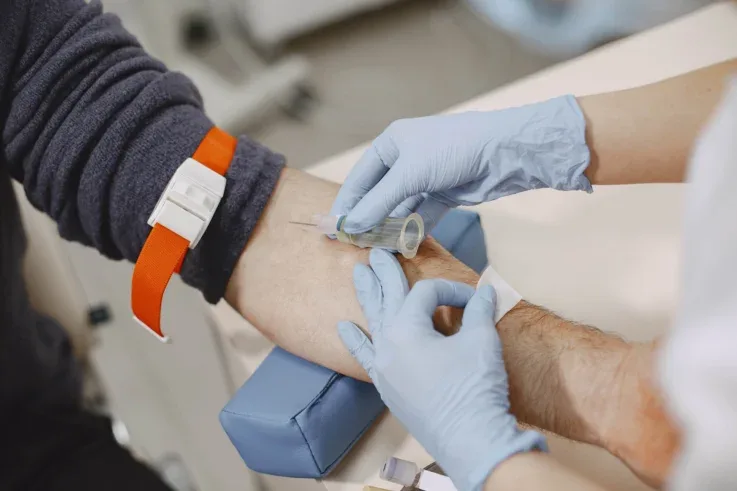
Sexual health is an important part of overall healthcare, and getting tested should never be associated with embarrassment or judgment. Whether you are concerned about a recent sexual exposure, have noticed unusual symptoms, are starting a new relationship, or simply want greater clarity about your sexual health, professional testing can help you understand the appropriate next steps.
If you are looking for an STD test Bali, it is important to understand that STD testing is not a single universal test. Different sexually transmitted infections require different testing methods, samples, and timing. Depending on your individual situation, testing may involve blood, urine, swabs, or other appropriate specimens.
Timing also matters. Some infections cannot be reliably detected immediately after exposure because there may be a period between infection and when a particular test can detect it. This is commonly referred to as a window period.
For tourists, expats, digital nomads, and residents, an STD test Bali can provide access to professional sexual health assessment, appropriate laboratory testing, and medical guidance about interpreting the results. The objective is not simply to perform as many tests as possible, but to select appropriate tests based on your exposure, symptoms, timing, and individual circumstances.
What Is an STD Test Bali?
An STD test Bali refers to medical testing for sexually transmitted diseases or infections while you are in Bali.
There is no single laboratory test capable of identifying every sexually transmitted infection at once. Different infections are detected using different methods, and the most appropriate testing strategy depends on several factors.
A healthcare professional may consider:
- The reason you want to be tested
- Whether you currently have symptoms
- When a potential exposure occurred
- The type and site of exposure when medically relevant
- Previous STD or STI testing
- Previous diagnoses or treatment
- Your current medications
- Other relevant medical information
Depending on these factors, an STD test Bali may involve a blood sample, urine sample, swab, or another specimen appropriate for the infection being investigated.
This individualized approach is important because requesting every possible test immediately after an exposure does not necessarily provide useful or definitive information. Some tests may be performed too early, while others may not be relevant to a particular exposure.
Professional consultation can help determine which tests are appropriate and when they should be performed.
STD vs STI – Is There a Difference?
You may see both “STD” and “STI” used when researching sexual health services.
STD stands for sexually transmitted disease, while STI stands for sexually transmitted infection.
The term STI is increasingly used in healthcare because a person can have an infection without developing obvious symptoms or signs of disease. However, the term STD remains widely recognized and is frequently used by people searching for sexual health testing.
In practical terms, someone searching for an STD test Bali may be looking for exactly the same type of sexual health assessment as someone searching for an STI test in Bali.
The terminology is less important than receiving appropriate testing, understanding the timing of the test, and obtaining professional interpretation of the results.
Why Consider an STD Test Bali Even Without Symptoms?
One of the most important things to understand about sexually transmitted infections is that symptoms are not always present.
Some people can have an STI without noticing obvious changes in their health. As a result, waiting until symptoms appear is not always an appropriate testing strategy.
You may consider an STD test Bali if you:
- Had unprotected sexual contact
- Experienced condom failure
- Have a new sexual partner
- Have multiple sexual partners
- Have a partner who has been diagnosed with an STI
- Are concerned about a previous exposure
- Have developed symptoms following sexual contact
- Want routine sexual health screening
- Have been advised to test by a healthcare professional
Testing without symptoms does not automatically mean that something is wrong.
For many people, sexual health screening is simply part of responsible healthcare.
At the same time, testing should be appropriate to the individual’s circumstances. A healthcare professional can help identify which infections may need to be considered and whether the timing is suitable for testing.
When Should You Get an STD Test Bali?
There is no single testing schedule that applies to every person or every infection.
The appropriate timing depends on the circumstances.
After Unprotected Sexual Contact
If you have had unprotected sexual contact and are concerned about potential exposure, professional medical advice can help determine what testing may be appropriate.
The date of exposure is particularly important because different infections and testing methods have different window periods.
If the exposure was very recent, do not assume that immediately receiving a complete panel will necessarily rule out every infection.
After a Condom Break or Condom Failure
A condom breaking, slipping, or otherwise failing can create concern about STI exposure.
Instead of trying to calculate your risk solely through internet searches, tell a healthcare professional approximately when the exposure happened and any medically relevant circumstances.
An STD test Bali can then be planned according to the infections that may need consideration and the timing of the exposure.
When You Have a New Sexual Partner
Some people choose sexual health screening when beginning a new relationship.
Testing can provide useful health information, particularly when both partners want greater clarity about their sexual health.
If Your Partner Tests Positive for an STI
If a current or recent sexual partner informs you that they have been diagnosed with an STI, professional medical assessment is appropriate even if you feel completely well.
Testing and management depend on the specific infection and exposure circumstances.
When You Develop Symptoms
Symptoms following sexual contact deserve appropriate assessment.
However, symptoms alone cannot determine which infection is present.
Testing may be needed to establish the cause and guide treatment.
As Part of Routine Sexual Health Screening
You do not need to wait for a specific health concern before discussing sexual health screening.
The appropriate screening frequency depends on individual circumstances and risk factors. A healthcare professional can provide guidance based on your situation.
What Symptoms May Lead to STD Testing?
Sexually transmitted infections can cause a wide range of symptoms, but many of these symptoms can also occur with conditions that are not sexually transmitted.
Possible symptoms that may prompt assessment include:
- Unusual genital discharge
- Burning or discomfort when urinating
- Genital sores or ulcers
- Blisters
- Genital rash
- Unusual itching or irritation
- Pelvic or lower abdominal discomfort
- Testicular pain or swelling
- Unexplained genital lesions
- Symptoms developing after a potential sexual exposure
If you experience one of these symptoms, avoid assuming that you know the diagnosis.
For example, burning during urination does not automatically establish gonorrhea or chlamydia. Similarly, genital irritation can have several possible causes.
Conversely, having no symptoms does not automatically exclude an infection.
An STD test Bali, combined with appropriate medical assessment, can help clarify which conditions should be investigated.
What Infections Can an STD Test Bali Check For?
The infections included in sexual health testing depend on the tests requested and the patient’s circumstances.
Rather than thinking of an STD test Bali as one universal package, it is more accurate to consider different tests for different infections.
Chlamydia Testing
Chlamydia is a sexually transmitted bacterial infection that may occur without obvious symptoms.
When symptoms do occur, they can vary depending on the affected anatomical site.
A chlamydia test Bali may involve an appropriate urine or swab-based test depending on clinical circumstances, anatomy, exposure site, and available testing methods.
Testing should be selected based on professional assessment rather than symptoms alone.
Gonorrhea Testing
Gonorrhea can affect different anatomical sites and may sometimes occur without noticeable symptoms.
A gonorrhea test Bali may therefore involve specimen collection appropriate to the patient’s exposure and clinical circumstances.
This is another reason why providing an accurate exposure history can be medically useful.
Syphilis Testing
Syphilis is another sexually transmitted infection that can require laboratory testing for diagnosis.
Blood testing commonly plays an important role in syphilis testing, but results need to be interpreted according to the type of test, clinical findings, previous history, and timing.
If you are considering a syphilis test Bali, a healthcare professional can explain which examination is appropriate and whether follow-up testing is required.
HIV Testing
HIV testing may also form part of broader sexual health screening.
Different HIV tests can have different detection windows, meaning the timing since exposure matters when interpreting a result.
A negative result very soon after exposure should therefore not automatically be interpreted in the same way as an appropriately timed negative test.
Patients with a very recent potentially significant HIV exposure should seek prompt medical assessment rather than simply waiting for a future test, because post-exposure preventive treatment is time-sensitive.
Other STI Testing When Clinically Appropriate
Other investigations may also be considered depending on symptoms, exposure history, clinical findings, vaccination history, and professional medical recommendations.
Not everyone needs exactly the same STD panel.
What Types of Samples Are Used for STD Testing?
One concern people sometimes have before arranging an STD test Bali is what the testing process will involve.
The answer depends on the infection being investigated.
Blood Tests
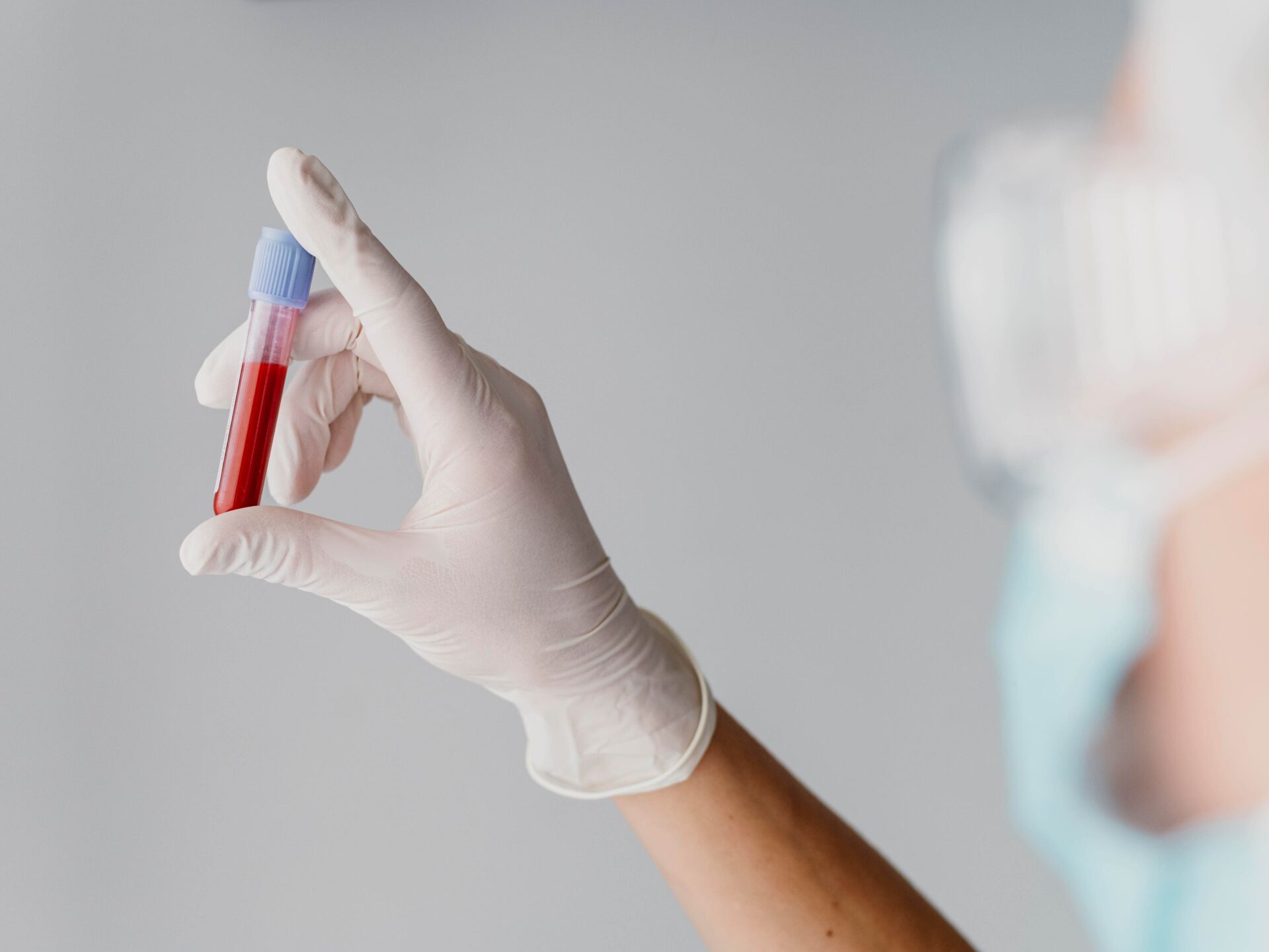
Blood samples may be used for testing for certain infections, including HIV and syphilis, depending on the test being performed.
Blood testing does not automatically screen for every sexually transmitted infection.
Urine Tests
Urine samples may be appropriate for certain STI investigations depending on the test, anatomical site, and clinical circumstances.
Follow the collection instructions provided because sample requirements can differ.
Swab Tests
Swabs may be collected from appropriate anatomical sites depending on symptoms and exposure.
The relevant sample site matters because sexually transmitted infections can affect different anatomical locations.
Not every patient needs blood, urine, and multiple swabs. Appropriate testing should reflect the individual’s exposure and clinical circumstances.
Understanding the STD Testing Window Period
The window period is one of the most important concepts to understand before arranging an STD test Bali.
After an infection occurs, it may take time before a particular laboratory test can reliably detect the biological marker it is designed to identify.
That means testing immediately after a sexual exposure may not always provide definitive information.
Window periods vary because:
- Different infections behave differently
- Different tests detect different biological markers
- Testing technologies differ
- Individual clinical circumstances can matter
For this reason, there is no single universal window period for “an STD test.”
One infection may have a different testing timeline from another, and different tests for the same infection may also have different interpretation considerations.
If you are unsure when to test, tell the healthcare professional the approximate date of your potential exposure.
They can help determine whether testing is appropriate now and whether repeat testing may later be recommended.
Can an STD Test Be Negative After a Recent Exposure?
Yes. Timing can influence the interpretation of a negative test.
A negative result means the particular test did not detect what it was designed to identify at the time the sample was taken. However, if testing occurs during an early window period, that result may not always exclude a recent infection.
This does not mean that every negative result is unreliable.
It means results must be interpreted according to the specific test and timing.
When arranging an STD test Bali, provide the approximate exposure date rather than simply saying that you want to “check everything.”
This allows the healthcare professional to understand whether the test timing is appropriate.
In some circumstances, initial testing may be performed with repeat testing recommended later.
Professional interpretation is therefore as important as the laboratory result itself.
STD Test Bali After Unprotected Sex
Unprotected sex can understandably cause anxiety, particularly when you are uncertain about your partner’s sexual health status.
The first step is not to panic or assume that exposure means infection has occurred.
Instead, consider obtaining professional medical advice.
When discussing an STD test Bali after unprotected sex, be prepared to provide the approximate date of exposure and any relevant symptoms.
The healthcare professional can then determine which tests may be appropriate and when they should be performed.
If the exposure happened very recently, consultation can be important even before the ideal testing window for certain infections.
This is particularly relevant when there is concern about HIV exposure because post-exposure prophylaxis, or PEP, is time-sensitive and should be assessed promptly by a qualified healthcare professional.
Do not delay seeking medical advice simply because you believe you need to wait before taking an STD test.
STD Test Bali for Tourists
Sexual health concerns can feel more stressful while traveling.
You may be unfamiliar with the local healthcare system, unsure where to obtain laboratory testing, concerned about communication, or worried about receiving results before leaving Bali.
A professional STD test Bali service can help travelers understand the testing process and what follow-up may be necessary.
During consultation, it can be helpful to mention:
- How long you will remain in Bali
- Approximately when the exposure occurred
- Whether symptoms are present
- Whether you have already performed any tests
- Whether you are traveling to another country soon
This information can help with planning.
If repeat testing may be needed after you leave Bali, ask how to document your current results so you can continue follow-up with another healthcare provider.
Sexual healthcare should remain professional and respectful regardless of whether you are a tourist, resident, or long-term visitor.
Confidential STD Test Bali – What About Your Privacy?
Privacy is understandably an important consideration when seeking sexual healthcare.
Discussing intimate symptoms, sexual exposure, or previous infections may feel uncomfortable, but accurate medical information can help healthcare professionals choose appropriate tests and interpret the results correctly.
When seeking a confidential STD test Bali, look for professional medical care where sexual health concerns can be discussed respectfully and without unnecessary judgment.
You should feel able to explain relevant information such as:
- Why you are seeking testing
- Whether you have symptoms
- When the potential exposure occurred
- Previous STI diagnoses when medically relevant
- Previous testing
- Current medications or treatment
There is no need to feel embarrassed about seeking sexual health testing.
STIs are healthcare conditions, and testing is part of responsible healthcare.
STD Test Bali for Expats and Digital Nomads
Expats and digital nomads living in Bali may have different testing needs from short-term travelers.
Instead of responding to a single exposure, you may be interested in routine screening, starting a new relationship, follow-up after previous testing, or maintaining regular sexual healthcare while living abroad.
An STD test Bali can form part of that ongoing healthcare.
Keeping records of previous tests may also be useful, particularly if you travel frequently or receive medical care in different countries.
If a result requires follow-up, make sure you understand whether additional testing or treatment is needed and when it should occur.
Regular sexual health screening should be individualized rather than based on a one-size-fits-all schedule.
What Happens During an STD Test Bali Appointment?
Understanding the testing process can help reduce some of the uncertainty and anxiety that may come with sexual health screening, especially if this is your first time getting tested while traveling or living abroad. When arranging an STD test Bali, knowing what to expect during the consultation, how samples may be collected, which tests may be recommended, and how the results will be interpreted can help you feel more prepared and comfortable throughout the process.
Private Medical Consultation
The appointment may begin with a discussion about why you want testing.
The healthcare professional may ask about symptoms, approximate exposure timing, previous testing, relevant medical history, and other information necessary to determine an appropriate testing plan.
You do not need to provide irrelevant personal details, but medically relevant information can improve test selection.
Selecting Appropriate Tests
The next step is determining which tests are appropriate.
Not every patient needs every available STD test Bali.
Test selection may depend on:
- Symptoms
- Exposure history
- Anatomical exposure site
- Timing
- Previous testing
- Previous infection history
- Clinical findings
Sample Collection
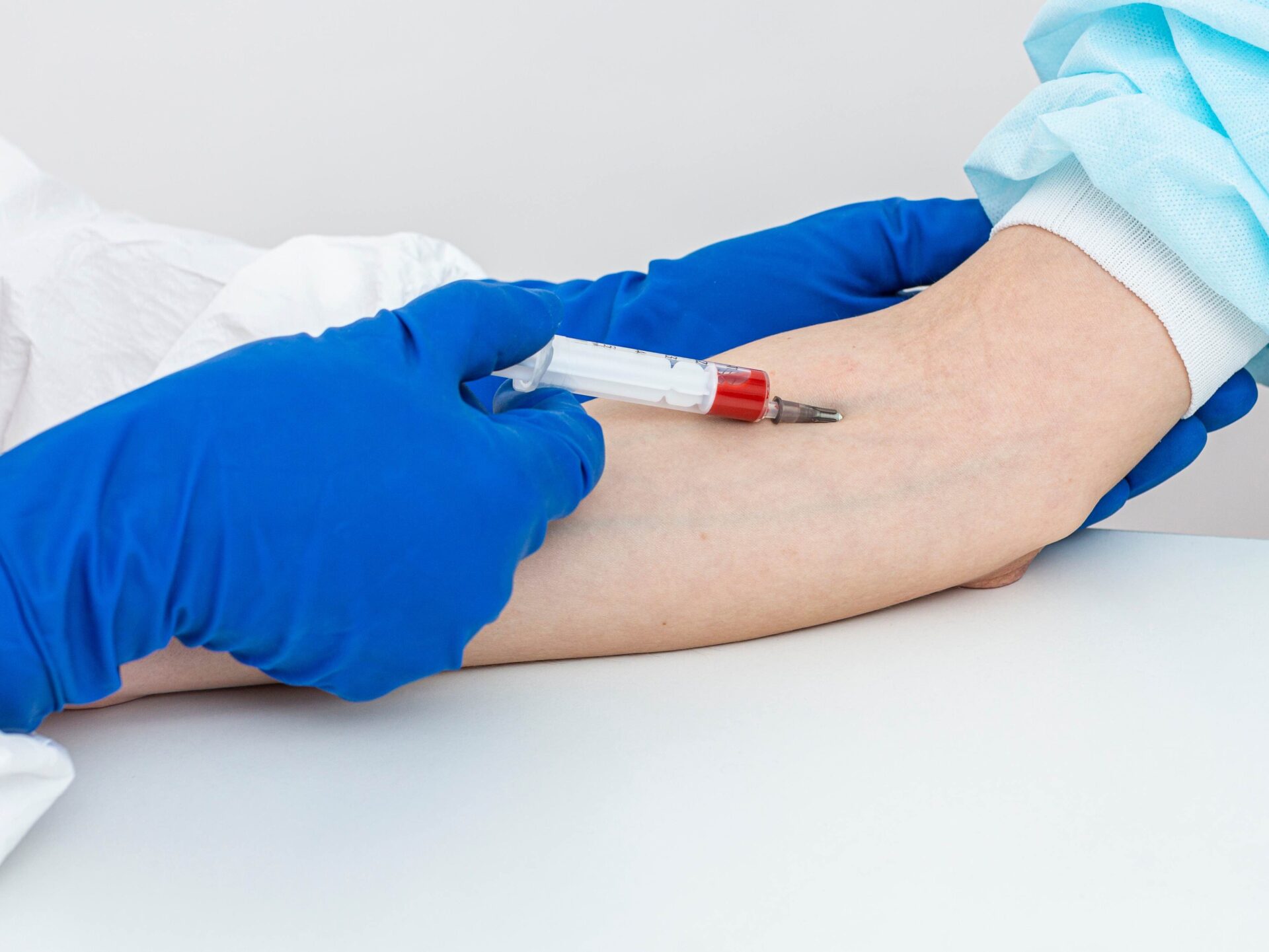
Depending on the tests selected, sample collection may involve blood, urine, swabs, or another appropriate specimen.
Laboratory Analysis
Samples are then processed using the appropriate laboratory method.
The time required for results depends on the individual test and laboratory process.
Results and Medical Interpretation
Receiving a laboratory report is not always the end of the process.
Results should be interpreted alongside timing, symptoms, exposure history, and the type of test used.
Follow-Up When Needed
Depending on your results and circumstances, follow-up may include repeat testing, treatment, further evaluation, partner-related guidance, or referral.
How Long Does an STD Test Bali Take?
There is no universal turnaround time for an STD test Bali because different tests use different laboratory methods.
Some results may be available sooner than others.
Factors that can affect turnaround time include:
- Infection being tested
- Type of laboratory test
- Sample type
- Laboratory processing
- Whether additional or confirmatory testing is required
Rather than relying on a general promise such as “all STD results are available immediately,” ask the medical team about the expected turnaround time for the specific tests recommended to you.
This is particularly important for travelers who are leaving Bali soon.
Understanding Your STD Test Results
Laboratory results should always be interpreted in context.
Negative or Non-Reactive Results
A negative or non-reactive result can be reassuring when testing has been performed appropriately.
However, timing matters.
If the test was performed too early following a recent exposure, repeat testing may sometimes be recommended.
Do not assume that one early negative result automatically excludes every possible STI.
Positive or Reactive Results
A positive or reactive result should be discussed with a healthcare professional.
Depending on the infection and type of test, additional or confirmatory testing may be required before conclusions are made.
Avoid attempting to interpret complex laboratory results solely through internet searches.
An STD test Bali is most useful when the result is accompanied by professional explanation of what it means and what should happen next.
What Happens If an STD Test Is Positive?
A positive result is medical information. It is not a moral judgment about you or your relationships.
The appropriate next step depends on the infection identified.
Management may involve:
- Medical treatment when indicated
- Additional or confirmatory testing
- Follow-up testing
- Guidance regarding sexual activity
- Partner testing or management when appropriate
- Referral when necessary
Some sexually transmitted infections are treatable with appropriate medication, while others require ongoing medical management.
Do not use medication prescribed to someone else or attempt to select treatment solely from online information.
The healthcare professional interpreting your STD test Bali can explain the appropriate next steps based on the specific result.
Should Your Partner Get Tested Too?
Depending on the infection, your partner or recent sexual partners may also need testing, assessment, or treatment.
The appropriate recommendation varies by infection and individual circumstances.
If you receive a positive result, ask your healthcare professional what partner-related steps are recommended.
Avoid assuming that a partner must have an infection simply because one person has tested positive. Similarly, the absence of symptoms in a partner does not automatically rule out infection.
Clear medical guidance is more useful than assumptions or blame.
STD Test Bali vs Home Testing – What Should You Consider?
Home testing and self-testing can offer convenience and privacy, and different products have different levels of evidence and accuracy.
However, professional clinical testing offers additional advantages beyond obtaining a result.
With an STD test Bali performed through professional healthcare, you may also receive:
- Assessment of which tests are appropriate
- Guidance about window periods
- Evaluation of symptoms
- Appropriate specimen selection
- Medical interpretation of results
- Follow-up recommendations
- Treatment guidance when necessary
The question is therefore not simply whether a home test or clinic test is “better.”
Consider whether you need only a screening result or broader professional assessment and follow-up.
If you have symptoms, a very recent significant exposure, or an abnormal result, medical consultation becomes particularly valuable.
HIV Testing as Part of Sexual Health Screening
HIV testing may be included as part of broader sexual health screening depending on your circumstances.
However, HIV testing deserves specific consideration because the type of test and timing since exposure affect interpretation.
A negative HIV test performed very early after exposure may not provide the same information as an appropriately timed test.
Similarly, a reactive screening result requires appropriate professional follow-up rather than being interpreted as a final diagnosis without the necessary testing pathway.
If you are arranging an STD test Bali because of a recent potential HIV exposure, tell the healthcare professional when the exposure occurred.
This is particularly important if the exposure was very recent because preventive treatment after potential HIV exposure is time-sensitive.
What to Do After a Very Recent Sexual Exposure
If a potentially significant sexual exposure happened very recently, do not simply wait several weeks because you have read that certain STD tests have window periods.
Testing and immediate post-exposure medical management are different issues.
A healthcare professional can assess whether any time-sensitive preventive measures should be considered and create an appropriate testing plan.
For potential HIV exposure, post-exposure prophylaxis is most effective when started as soon as possible and must be started within a limited timeframe. This is why prompt professional assessment matters.
Depending on the circumstances, other considerations may also apply.
An STD test Bali may be one part of the plan, but immediate medical consultation can sometimes be more important than waiting for the ideal testing date.
How to Choose an STD Test Bali Provider
Sexual healthcare should provide more than laboratory testing alone.
Confidential and Professional Consultation
Patients should be able to discuss sexual health concerns respectfully and professionally.
Appropriate Laboratory Testing
Testing should be selected according to your individual circumstances rather than automatically recommending every available test.
Clear Explanation of Window Periods
A healthcare professional should be able to explain whether the timing of your test affects interpretation.
Medical Interpretation of Results
A laboratory result is most useful when you understand what it means.
Follow-Up Support
Positive, reactive, inconclusive, or early negative results may require additional steps.
English-Speaking Medical Assistance for International Patients
For international travelers and expats, clear communication can make discussing sensitive medical information and understanding the testing process easier.
When choosing an STD test Bali provider, focus on professional assessment, appropriate testing, clear communication, and access to follow-up care rather than marketing claims.
Taking Care of Your Sexual Health While in Bali
Sexual health testing does not need to be associated with fear or embarrassment.
Whether you are testing because of a recent exposure, symptoms, a new relationship, or simply because you want greater clarity about your sexual health, professional medical guidance can help you choose appropriate tests and understand what the results mean.
SanMed Medical provides medical consultation and laboratory support for tourists, expats, digital nomads, and residents who require sexual health assessment in Bali.
Testing can be considered based on individual symptoms, exposure history, timing, and medical recommendations.
For people searching for an STD test Bali, the goal should be more than simply obtaining a laboratory report. Appropriate testing includes selecting the right investigation, performing it at an appropriate time, understanding the result, and knowing whether follow-up is necessary.
Arrange an STD Test Bali
If you would like sexual health testing while in Bali, you can contact the medical team and provide a small amount of information to help determine the next step.
You can briefly explain:
- That you are interested in STD or STI testing
- Whether you currently have symptoms
- Approximately when the potential exposure occurred
- Whether you have already completed any testing
- Whether the exposure happened very recently
- Whether you are currently staying in Bali
You do not need to send an extensive sexual history through WhatsApp.
More detailed and medically relevant information can be discussed privately with a healthcare professional during consultation.
If the potential exposure was very recent, mention this when contacting the medical team rather than simply requesting an STD test Bali, because some post-exposure interventions can be time-sensitive.
Need Private Guidance About STD Testing in Bali?
If you are considering an STD test Bali after a recent exposure, because of symptoms, or as part of routine sexual health screening, you can contact the SanMed Medical team for guidance on the next appropriate step.
You can briefly explain that you would like sexual health testing, whether you currently have symptoms, and approximately when the potential exposure occurred. A healthcare professional can then help determine which tests and timing may be appropriate for your situation.
Contact SanMed Medical via WhatsApp
Testing Is Part of Responsible Sexual Healthcare
Getting tested should not be treated as something shameful.
People seek an STD test Bali for many different reasons. Some have symptoms, some are concerned about a specific exposure, some are beginning a new relationship, and others simply want routine sexual health screening.
What matters is receiving appropriate healthcare.
Testing at the right time can provide useful information, but laboratory testing is only one part of sexual healthcare. Understanding the result, following medical recommendations, completing treatment when necessary, and returning for repeat testing when advised are equally important.
If your test is negative, make sure the result is interpreted according to the relevant window period.
If a result is positive or reactive, seek professional guidance rather than assuming the worst.
And if your exposure was very recent, do not delay medical consultation solely because you believe it is too early for testing.
Professional guidance can help establish an appropriate plan from the beginning.
STD Test Bali – Confidential Testing With Professional Medical Guidance
Sexually transmitted infections do not always cause obvious symptoms, which means sexual health testing can be valuable even when you feel completely well.
At the same time, an STD test Bali should not be approached as a universal panel that is identical for every patient.
Appropriate testing depends on the infection being considered, type and timing of exposure, symptoms, relevant anatomical sites, previous testing, and individual clinical circumstances.
Blood tests may be appropriate for some infections, while urine or swab samples may be more relevant for others. Window periods also mean that testing immediately after exposure may not always provide definitive information, and repeat testing can sometimes be necessary.
For very recent potentially significant exposures, prompt medical consultation is particularly important because certain preventive interventions can be time-sensitive.
Whether you are a tourist, expat, digital nomad, or resident, seeking an STD test Bali is simply a healthcare decision. There is no reason for testing to be associated with shame or judgment.
If you are concerned about a recent exposure, experiencing symptoms, or simply want greater clarity about your sexual health, professional consultation, appropriate laboratory testing, careful interpretation, and follow-up can help you make informed decisions about what to do next.