
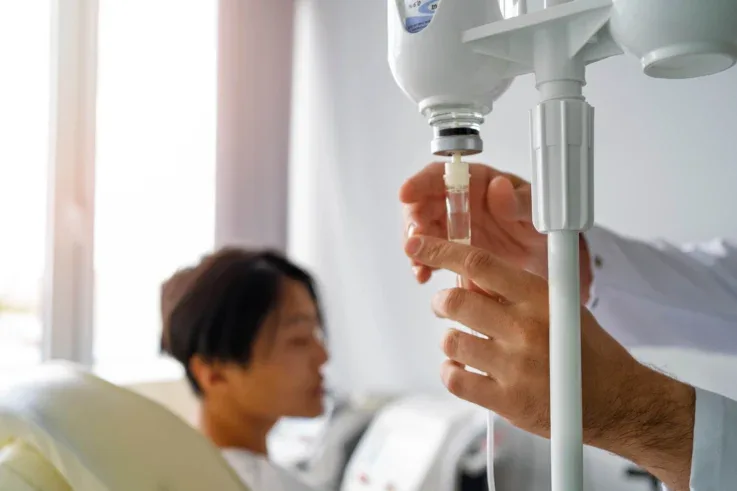
Feeling weak, dehydrated, or unable to maintain adequate fluid intake can quickly interfere with your plans in Canggu. Whether you are dealing with repeated vomiting, diarrhea, gastrointestinal illness, or significant fluid loss, appropriate hydration is an important part of supporting your body while you recover.
For travelers, expats, digital nomads, and residents looking for an IV drip Canggu, professional medical assessment can help determine whether intravenous hydration is appropriate for your condition or whether oral hydration, medication, further investigation, or another form of treatment may be more suitable.
An IV drip delivers fluids directly into a vein. This can be useful in certain clinical situations, particularly when maintaining adequate hydration by mouth is difficult. However, an IV drip should not be viewed as a universal solution for fatigue, hangovers, Bali Belly, or every situation where someone simply feels unwell.
The underlying cause of your symptoms still matters.
A professional IV drip Canggu service should therefore begin with an assessment of your symptoms, hydration status, and general medical condition. This helps ensure that IV therapy is used when clinically appropriate and that symptoms requiring additional investigation or higher-level medical care are not overlooked.
What Is an IV Drip Canggu?
An IV drip Canggu is a form of intravenous therapy in which appropriate fluids or prescribed treatment are administered directly into a vein through an intravenous line.
“IV” stands for intravenous, meaning “within a vein.”
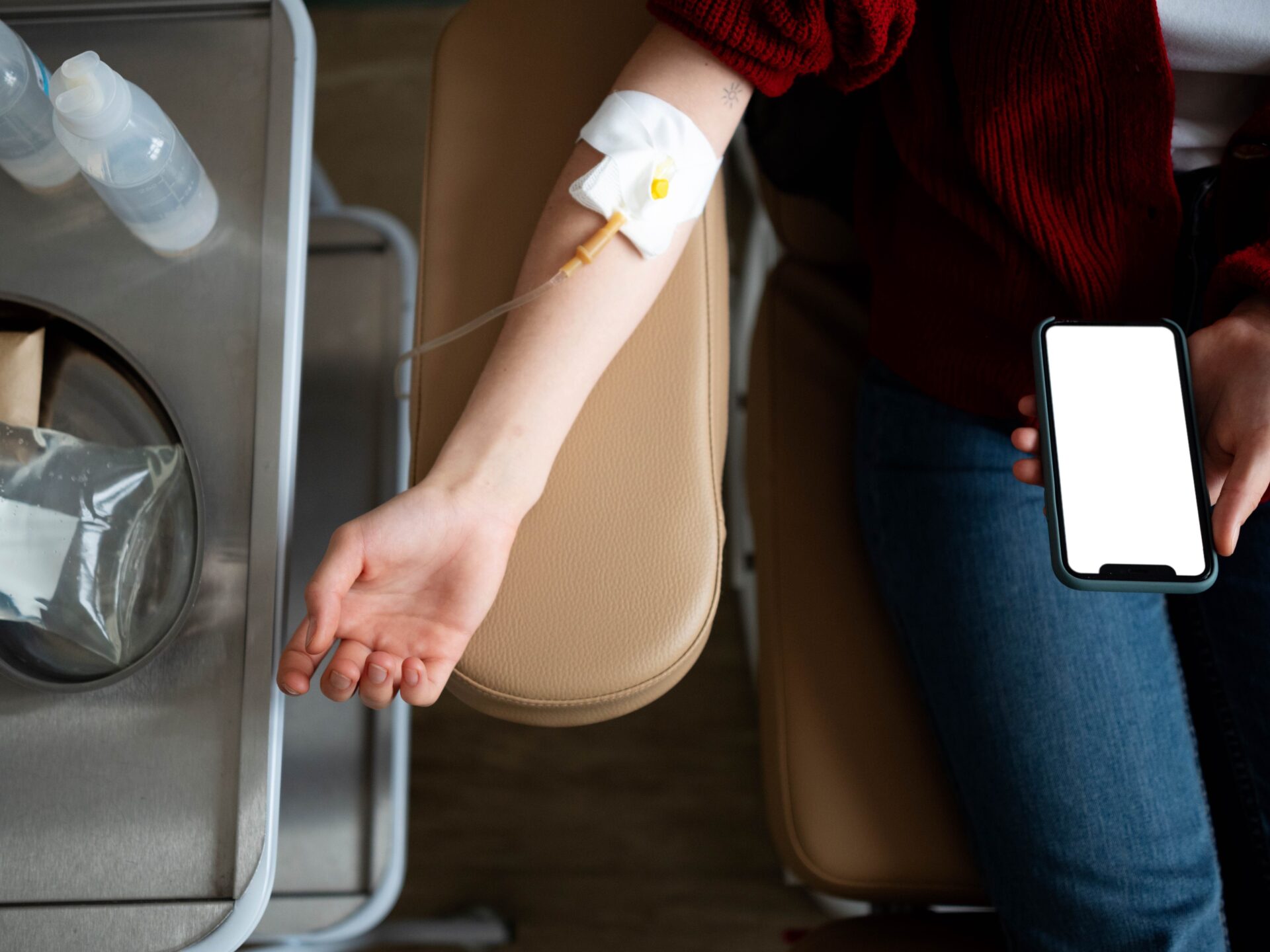
During IV therapy, a small intravenous cannula is inserted into an appropriate vein and connected to the prescribed fluid. The fluid is then administered at an appropriate rate while the patient is monitored.
One of the reasons IV hydration may be considered is that fluids enter the circulation directly rather than relying on the digestive system.
This can be particularly relevant when someone has repeated vomiting or another condition that makes maintaining adequate oral fluid intake difficult.
However, not everyone who feels tired, thirsty, or unwell needs intravenous treatment.
Many people with mild dehydration can maintain or restore hydration through appropriate oral fluid intake. In other situations, symptoms may be caused by a medical condition where hydration alone does not address the underlying problem.
For this reason, choosing an IV drip Canggu should ideally involve medical assessment rather than selecting an IV solely based on a wellness package or marketing name.
How Does IV Hydration Work?
IV hydration provides fluid through intravenous access.
Before treatment, a healthcare professional can assess why you may be dehydrated, whether IV therapy is appropriate, and whether additional medical evaluation is necessary.
If IV hydration is considered suitable, intravenous access is established and the appropriate fluid is administered according to the patient’s clinical requirements.
During the process, the healthcare professional may monitor your general condition and response to treatment.
This differs from oral hydration, where fluid is consumed and absorbed through the gastrointestinal system.
For many people with mild fluid loss who can drink normally and keep fluids down, oral hydration may remain appropriate.
IV hydration becomes particularly relevant when oral intake is insufficient or when clinical assessment identifies a reason intravenous support should be considered.
An IV drip Canggu is therefore best understood as a medical route for delivering fluids or prescribed treatment—not automatically as a faster or better alternative to drinking fluids.
When Might You Need an IV Drip Canggu?
There is no single symptom that automatically means you need an IV.
Instead, the decision depends on the overall clinical situation.
An IV drip Canggu may be considered in situations involving dehydration or difficulty maintaining adequate fluid intake, including certain cases of:
- Repeated vomiting
- Significant diarrhea
- Gastrointestinal illness
- Reduced oral fluid intake
- Difficulty keeping fluids down
- Fluid loss associated with illness
- Other conditions where intravenous hydration is clinically appropriate
For example, someone experiencing mild diarrhea who remains able to drink, eat, and urinate normally may not require intravenous fluids.
A different patient experiencing repeated vomiting, significant weakness, dizziness, and difficulty keeping any fluids down may require more careful assessment of hydration status.
The purpose of medical assessment is therefore not simply to confirm that you can receive an IV. It is to determine what is causing your symptoms, how significant the dehydration may be, and what treatment is appropriate.
Signs of Dehydration to Watch For
Dehydration occurs when fluid losses exceed fluid intake. It can develop gradually or more quickly depending on the cause and severity of fluid loss.
Several symptoms can suggest that hydration may need attention.
Increased Thirst and Dry Mouth
Thirst is one of the body’s natural signals that more fluid may be needed.
Dry mouth can also occur when fluid intake is insufficient, although neither symptom alone determines the severity of dehydration.
Reduced Urination
Changes in urination can provide useful information about hydration.
Urinating less frequently than usual or producing darker urine may occur when the body is conserving fluid.
Significant reductions in urination should be taken seriously, particularly when combined with vomiting, diarrhea, or weakness.
Dizziness or Lightheadedness
Dizziness or lightheadedness can occur with dehydration, but it can also have other causes.
If dizziness becomes significant, persistent, or is associated with fainting or other concerning symptoms, professional medical assessment is appropriate.
Weakness and Fatigue
Dehydration can contribute to weakness and fatigue.
However, fatigue alone does not mean you need an IV. Fever, infection, insufficient sleep, reduced food intake, alcohol, and many other conditions can also make someone feel unusually tired.
Difficulty Keeping Fluids Down
Repeated vomiting can make hydration particularly difficult.
You may attempt to drink but vomit again before sufficient fluid can be retained.
When dehydration is suspected, professional assessment can help determine whether oral hydration remains sufficient or an IV drip Canggu may be appropriate.
IV Drip Canggu for Bali Belly and Diarrhea
Bali Belly is one of the common reasons travelers search for IV hydration while staying in Bali.
Diarrhea causes the body to lose fluid, while repeated watery stools can also contribute to electrolyte losses. If vomiting occurs at the same time, maintaining adequate hydration can become even more challenging.
However, not everyone experiencing Bali Belly needs an IV drip Canggu.
Many mild gastrointestinal illnesses can be managed with appropriate oral hydration when the patient is able to drink and retain fluids.
Medical assessment becomes more important when diarrhea is frequent, vomiting prevents adequate fluid intake, symptoms persist, or signs of significant dehydration develop.
IV fluids may then be considered when clinically appropriate.
Importantly, IV hydration does not automatically treat the underlying cause of diarrhea.
If gastrointestinal symptoms are associated with significant fever, blood in the stool, severe abdominal pain, persistent vomiting, or other concerning findings, additional medical evaluation may be necessary.
An IV drip Canggu can support hydration when appropriate, but it should remain part of a broader clinical approach to the illness.
IV Drip Canggu for Vomiting and Dehydration
Vomiting creates a particular challenge because it can simultaneously increase fluid loss and prevent you from replacing that fluid orally.
Occasional vomiting does not necessarily require IV treatment.
However, repeated vomiting may increase the risk of dehydration, particularly when accompanied by diarrhea, fever, reduced food intake, or prolonged illness.
If you are unable to keep fluids down, a healthcare professional can assess your hydration status and investigate other symptoms that may help identify the cause.
Depending on that assessment, an IV drip Canggu may be considered to provide hydration while additional symptom management or investigation is arranged when necessary.
The important point is to treat the complete medical situation rather than focusing only on replacing fluid.
Persistent vomiting can have many causes, and some require more than hydration alone.
Do You Need an IV Drip for Bali Belly?
Not necessarily.
Although IV therapy is often associated with Bali Belly treatment, mild gastrointestinal illness does not automatically require intravenous hydration.
If you can drink adequate fluids, keep them down, and do not have significant dehydration or concerning symptoms, oral hydration may be sufficient.
A healthcare professional may consider several factors before recommending an IV drip Canggu, including:
- Frequency of diarrhea
- Frequency of vomiting
- Ability to drink
- Ability to retain fluids
- Urination
- Hydration status
- Fever
- General clinical condition
- Other symptoms
This assessment matters because two people who both describe themselves as having “Bali Belly” may have very different medical needs.
One may require little more than oral hydration and rest, while another may need intravenous fluids, medication, laboratory testing, or further medical evaluation.
IV Drip Canggu After Heat and Physical Activity
Canggu’s warm climate and active lifestyle can contribute to fluid loss, particularly when outdoor activity is combined with insufficient fluid intake.
Surfing, exercising, spending long periods outdoors, or other physical activities can increase sweating.
If those fluid losses are not adequately replaced, dehydration may develop.
Mild dehydration can often be addressed by resting, moving to a cooler environment, and drinking appropriate fluids when the person remains able to drink normally.
Feeling tired after a day in the sun does not automatically mean you require an IV drip Canggu.
Medical assessment becomes more important when symptoms are significant, oral hydration is difficult, or other symptoms suggest that something beyond simple fluid loss may be occurring.
Severe heat-related illness is also different from ordinary dehydration and can require urgent medical care rather than routine IV hydration.
What About a Hangover IV Drip Canggu?
People visiting Canggu may also search for IV therapy after drinking alcohol.
Alcohol can contribute to dehydration, while a hangover may involve headache, nausea, fatigue, thirst, and gastrointestinal discomfort.
However, an IV drip Canggu should not be promoted as an instant cure or “detox” for alcohol.
For mild hangover symptoms, rest and appropriate oral hydration may be sufficient when the person can drink normally.
If repeated vomiting makes oral hydration difficult, medical assessment can help determine whether intravenous hydration is appropriate.
It is also important not to assume that every symptom after drinking alcohol is simply a hangover.
Confusion, reduced responsiveness, difficulty breathing, seizures, severe persistent vomiting, significant injury, or other concerning symptoms require urgent medical assessment.
IV therapy should never delay appropriate emergency care.
IV Drip Canggu for Travelers
Becoming sick during a holiday can create additional stress.
You may have tours booked, plans to move to another part of Bali, or an upcoming flight. When you feel weak or dehydrated, even leaving your accommodation may become difficult.
For travelers considering an IV drip Canggu, professional medical assessment can help determine whether dehydration is contributing to the symptoms and whether IV hydration is appropriate.
It can also identify situations where another investigation or treatment may be needed.
When speaking with the medical team, mention:
- When your symptoms started
- Whether you have diarrhea or vomiting
- Whether you have fever
- Whether you can drink normally
- Whether you are urinating normally
- Whether you have significant pain
- Any other concerning symptoms
- Relevant medical conditions
Do not allow holiday plans to pressure you into seeking an IV simply because you want to recover immediately.
The appropriate treatment should be based on your medical condition rather than your itinerary.
IV Drip Canggu for Expats and Digital Nomads
Canggu is also home to many expats and digital nomads who live and work in Bali for longer periods.
For long-term residents, access to professional healthcare is useful when gastrointestinal illness, dehydration, or other medical concerns interfere with everyday activities.
An IV drip Canggu may be considered when clinically appropriate, but it should not become a routine substitute for adequate hydration, nutrition, rest, or appropriate management of an underlying medical condition.
For example, repeatedly seeking IV hydration for ongoing fatigue without investigating why the fatigue keeps returning may overlook another health issue.
If symptoms are persistent or recurrent, professional assessment can help determine whether additional investigation is necessary.
IV therapy should support appropriate medical care rather than replace it.
Can You Get an IV Drip at Your Hotel or Villa in Canggu?
When you are vomiting, experiencing diarrhea, or feeling significantly weak, traveling through Canggu to seek medical care may be uncomfortable.
For clinically appropriate situations, an IV drip Canggu may be considered as part of medical care provided at a hotel or villa.
The process should begin with assessment rather than automatically starting intravenous treatment.
A healthcare professional may evaluate:
- Your main symptoms
- How long you have been unwell
- Your hydration status
- Whether you can drink
- Frequency of vomiting or diarrhea
- Relevant vital signs and clinical findings
- Whether another medical condition may be involved
If IV hydration is considered appropriate and accommodation-based treatment is suitable for your condition, therapy may then be provided with appropriate monitoring.
Mobile care has practical advantages for selected patients, but it is not appropriate for every medical condition.
Patients with serious symptoms may need hospital or facility-based care instead.
What Happens Before an IV Drip Canggu?
Professional IV treatment should involve more than simply selecting a fluid bag and starting an infusion.
Medical Consultation
The healthcare professional may ask why you are considering IV therapy and review your current symptoms, relevant medical history, medications, allergies, and other important information.
Hydration Assessment
Symptoms and clinical findings can help determine whether dehydration is present and how significant it may be.
Vital Signs and Clinical Assessment
Depending on your condition, relevant observations and examination can help identify whether routine outpatient IV hydration is appropriate.
Determine Whether IV Therapy Is Appropriate
Not every person requesting an IV drip Canggu necessarily needs one.
The healthcare professional may determine that oral hydration is sufficient, IV therapy is appropriate, additional treatment is required, or the patient’s condition should be assessed at a medical facility.
This decision is an important part of safe IV care.

What Happens During IV Therapy?
If IV therapy is considered appropriate, the healthcare professional prepares the necessary equipment and treatment.
Intravenous access is established using an appropriate cannula. The prescribed fluid or treatment can then be administered through the IV line.
The patient should be monitored appropriately during therapy.
How long treatment takes depends on factors such as the prescribed fluid, administration rate, clinical condition, and individual treatment plan.
After the infusion, further assessment may be appropriate depending on why the IV drip Canggu was administered.
The healthcare professional may also provide guidance regarding continued oral hydration, medication, rest, dietary intake, monitoring, or follow-up.
Receiving IV fluids does not necessarily mean treatment is complete if an underlying illness still requires attention.
What Is Inside an IV Drip?
Not every IV drip contains the same ingredients.
The appropriate fluid or treatment depends on the patient’s clinical needs and medical assessment.
This is why choosing an IV drip Canggu purely based on a product name such as “energy,” “detox,” or “recovery” can oversimplify what is actually a medical procedure.
In clinical care, the healthcare professional should consider why intravenous treatment is being administered.
Someone experiencing dehydration from gastrointestinal illness may have different needs from someone receiving intravenous medication for another medically appropriate reason.
Patients should also tell the medical team about relevant medical conditions, allergies, medications, and previous reactions before treatment.
The appropriate IV fluid or treatment should be selected according to the patient’s medical condition rather than choosing an IV solely by its marketing name.
IV Drip vs Oral Hydration – Which One Do You Need?
IV hydration is not automatically superior to oral hydration.
The appropriate method depends on the patient’s condition.
Oral Hydration
For many mild cases of dehydration, drinking appropriate fluids may be sufficient when the person:
- Can drink normally
- Can keep fluids down
- Does not have significant dehydration
- Does not have symptoms requiring additional medical intervention
Oral rehydration solutions can also help replace water and electrolytes lost through diarrhea or vomiting.
IV Hydration
An IV drip Canggu may be considered when oral hydration is inadequate or the patient’s clinical condition requires intravenous support.
This may occur when repeated vomiting makes drinking difficult or when dehydration requires additional management.
The goal should not be to choose the most intensive option.
The goal is to choose the most appropriate treatment for the patient’s condition.
How Quickly Does an IV Drip Work?
IV fluids are delivered directly into the circulation, but this does not mean every patient will immediately feel completely recovered.
How you feel after an IV drip Canggu depends substantially on why you were unwell in the first place.
If dehydration is contributing significantly to your symptoms, appropriate hydration may help support recovery.
However, if symptoms are caused by an infection or another underlying medical condition, fluid replacement alone does not necessarily resolve that condition.
Someone with persistent gastrointestinal illness, for example, may still require medication, laboratory testing, follow-up, or further medical assessment after hydration has been addressed.
Be cautious about promises that an IV drip will make everyone “feel normal instantly.”
Medical recovery is more individual than that.
Is an IV Drip Safe?
IV therapy is widely used in medical care, but it is still a medical procedure.
An IV drip Canggu should therefore be performed when clinically appropriate and administered by trained healthcare professionals using appropriate procedures and equipment.
Before treatment, relevant medical information should be considered.
During IV therapy, appropriate monitoring helps identify problems if they occur.
As with medical procedures generally, intravenous therapy can have potential risks or complications. This is another reason why unnecessary IV treatment should be avoided.
If you have relevant medical conditions, allergies, are pregnant, or take medications that may affect treatment decisions, tell the healthcare professional before IV therapy begins.
Professional assessment helps determine whether the expected benefit of IV hydration is appropriate for your situation.
When an IV Drip Is Not Enough
One of the most important things to understand about an IV drip Canggu is that hydration does not replace emergency or hospital care.
Some symptoms suggest that the underlying problem may require more advanced assessment, diagnostics, monitoring, or treatment.
Seek prompt medical care for concerning symptoms such as:
- Severe or worsening abdominal pain
- Significant bleeding
- Vomiting blood
- Loss of consciousness
- Confusion or reduced responsiveness
- Difficulty breathing
- Severe chest pain
- Seizures
- Serious injury
- Severe weakness or collapse
- Rapid clinical deterioration
Other significant symptoms may also require hospital assessment depending on the clinical situation.
If a healthcare professional determines that your condition requires a higher level of care, hospital referral should not be delayed simply because you initially requested mobile IV treatment.
IV Drip Canggu vs Going to a Hospital
The appropriate setting for treatment depends on the severity and nature of your illness.
For selected patients with clinically appropriate hydration needs, outpatient or accommodation-based medical care may be suitable.
A patient with a serious illness, however, may need access to diagnostics, monitoring, imaging, emergency treatment, or other hospital-level resources.
An IV drip Canggu service and hospital care therefore serve different purposes.
The objective is not to decide that one is always “better.”
Instead, the healthcare professional should identify the level of care appropriate to the patient’s condition.
A responsible medical provider should also be prepared to recommend referral when outpatient IV therapy is insufficient.

How to Choose an IV Drip Canggu Provider
When choosing IV therapy, consider more than convenience or marketing.
Medical Assessment Before Treatment
A professional provider should consider your symptoms and clinical condition before determining whether IV treatment is appropriate.
Qualified Healthcare Professionals
IV therapy should be administered by appropriately trained healthcare professionals.
Appropriate IV Treatment
Treatment should reflect your clinical needs rather than automatically using the same IV option for everyone.
Monitoring During Therapy
Patients should receive appropriate observation during intravenous treatment.
Ability to Provide Additional Medical Care
Dehydration may be part of a broader illness. Access to medical consultation and additional assessment can therefore be valuable.
Referral When Hospital Care Is Needed
A professional IV drip Canggu provider should recognize when a patient’s condition is outside the scope of routine outpatient or accommodation-based care.
Professional IV Hydration When You Need Medical Support in Canggu
Feeling dehydrated or unwell can make even simple activities difficult, especially when you are away from home. Rather than choosing an IV based only on symptoms or a wellness package, professional medical assessment can help determine whether intravenous hydration is appropriate and whether another condition needs attention.
SanMed Medical provides medical assessment and treatment support for tourists, expats, digital nomads, and residents in Canggu.
When clinically appropriate, IV drip Canggu treatment may be considered as part of an individualized medical plan based on symptoms, hydration status, and clinical findings.
For someone experiencing gastrointestinal illness, for example, medical care may involve more than replacing fluids. The healthcare professional may also need to consider vomiting, diarrhea, fever, abdominal symptoms, medication requirements, or whether laboratory investigation is appropriate.
The same principle applies to other conditions.
IV hydration can be useful when appropriately indicated, but understanding why you feel unwell remains an important part of treatment.
Arrange an IV Drip Canggu
If you are feeling dehydrated, experiencing repeated vomiting or diarrhea, or having difficulty maintaining adequate fluid intake, you can contact the medical team for guidance.
When asking about an IV drip Canggu, briefly explain:
- Your main symptoms
- When the symptoms started
- Whether you are vomiting
- Whether you have diarrhea
- Whether you can drink and retain fluids
- Whether you have a fever
- Whether you have significant pain
- Your current location
- Relevant medical conditions when appropriate
This information can help the medical team understand your situation before determining the next step.
Depending on your condition, a healthcare professional may recommend medical assessment, oral hydration, IV hydration, additional treatment, laboratory investigation, or referral to an appropriate medical facility.
Feeling Dehydrated or Unwell in Canggu?
If vomiting, diarrhea, reduced fluid intake, or other symptoms are making it difficult to stay hydrated, you can contact the SanMed Medical team and briefly explain your condition and current location.
A healthcare professional can help determine whether an IV drip Canggu may be appropriate for your condition or whether another form of medical assessment or treatment should be considered.
Contact SanMed Medical via WhatsApp
Recovery Does Not End When the IV Is Finished
Completing an IV infusion does not necessarily mean your body has fully recovered.
Continue following the medical advice provided to you.
Depending on your condition, this may involve continuing appropriate oral hydration, resting, gradually returning to normal food intake, taking prescribed medication correctly, or monitoring specific symptoms.
If your IV drip Canggu was provided because of dehydration caused by vomiting or diarrhea, the underlying gastrointestinal illness may still need time to resolve.
Likewise, if symptoms return shortly after treatment, simply receiving another IV without reassessment may not be the most appropriate approach.
Pay attention to how your condition progresses.
Persistent fever, worsening abdominal pain, repeated vomiting, blood in the stool, increasing weakness, inability to drink, or other concerning symptoms should prompt further medical assessment.
Appropriate IV hydration can support recovery when clinically indicated, but it does not replace diagnosis and treatment of the underlying illness.
IV Drip Canggu – Medical Assessment and Hydration Support When Appropriate
IV hydration can be valuable when illness or fluid loss makes maintaining adequate hydration difficult. However, the decision to receive intravenous treatment should be based on your clinical condition rather than the assumption that an IV is always faster or better than oral hydration.
For many people with mild dehydration who can drink normally, oral fluids may be sufficient. When vomiting, diarrhea, or another illness prevents adequate hydration, an IV drip Canggu may be considered following professional medical assessment.
The assessment itself is important.
Symptoms such as weakness, dizziness, nausea, or fatigue can have many causes, and hydration alone may not address the underlying condition. Medical evaluation can help determine whether you need IV fluids, medication, laboratory testing, continued monitoring, or another form of care.
Serious symptoms should also never be managed solely with routine IV hydration when hospital-level evaluation is required.
For tourists, expats, digital nomads, and residents in Canggu, professional medical support can make it easier to understand what treatment is appropriate when you become unwell.
If you are experiencing dehydration, repeated vomiting, diarrhea, or difficulty maintaining adequate fluid intake, professional assessment can help determine whether an IV drip Canggu is appropriate for your condition and what additional care may be needed to support a safe recovery.