

Developing a fever while traveling in Bali can be concerning, especially when you are unsure whether it is caused by a common viral illness, a gastrointestinal infection, dengue, or another medical condition. Symptoms such as fever, headache, body aches, nausea, unusual fatigue, or rash can occur with several different illnesses, making self-diagnosis difficult.
If dengue is suspected, a professional dengue test Bali can help healthcare professionals evaluate your condition alongside your symptoms, medical history, physical examination, and the duration of your illness. Laboratory testing may provide important information, but the appropriate type of test and interpretation of the results depend partly on when your symptoms began.
Dengue is a mosquito-borne viral infection that occurs in many tropical and subtropical regions. Because Bali has a tropical climate, travelers, expats, digital nomads, and residents may occasionally need medical assessment for symptoms potentially associated with dengue.
However, having a fever or remembering a recent mosquito bite does not automatically mean you have dengue. The purpose of a dengue test Bali is not simply to confirm a suspicion based on symptoms. Testing forms part of a broader medical evaluation that can help determine what may be causing your illness and whether monitoring, additional testing, supportive treatment, or higher-level medical care is necessary.
Understanding when to seek testing, what different dengue tests can detect, and which warning signs require urgent medical attention can help you make safer healthcare decisions while in Bali.
Why You May Need a Dengue Test Bali
Many illnesses begin with similar symptoms.
Fever, headache, fatigue, muscle aches, nausea, and reduced appetite can occur with dengue, but they can also be associated with other viral or bacterial infections. This overlap is one reason diagnosing yourself based on symptoms alone can be misleading.
A professional dengue test Bali may be considered when your symptoms and clinical history suggest dengue should be investigated.
Medical evaluation is particularly useful because healthcare professionals can consider several factors together, including:
- When your fever started
- How your symptoms have progressed
- Whether you have nausea or vomiting
- Whether you have developed a rash
- Whether you have unusual bleeding
- Your hydration status
- Previous dengue infection when relevant
- Existing medical conditions
- Current medications
- Laboratory findings
Timing also matters.
Different dengue tests are more useful during different stages of the illness. A test that may help during the first several days after symptoms begin may not provide the same information later in the course of illness.
For this reason, choosing a dengue test Bali should ideally be guided by a healthcare professional rather than selecting a laboratory test without considering when your symptoms started.
What Is Dengue Fever?
Dengue is a viral infection transmitted primarily through the bite of infected Aedes mosquitoes.
A person does not usually develop dengue simply because they were bitten by a mosquito. The mosquito must be carrying dengue virus for transmission to occur.
Many dengue infections are asymptomatic or cause relatively mild illness, while symptomatic dengue commonly involves an acute febrile illness. In a smaller proportion of patients, the disease can become severe and require close medical monitoring or hospital care.
Symptoms usually do not appear immediately after a mosquito bite. There is an incubation period between infection and the development of illness.
Once symptoms occur, the clinical course can vary considerably from person to person.
This variability is another reason a dengue test Bali should be interpreted alongside clinical assessment rather than treated as a standalone answer.
A healthcare professional may also recommend other investigations because fever in Bali can have causes other than dengue.
Common Dengue Symptoms to Watch For
Dengue symptoms can overlap with many other illnesses, which is why symptoms alone cannot confirm the diagnosis.
Common symptoms associated with symptomatic dengue can include:
- Fever
- Headache
- Pain behind the eyes
- Muscle aches
- Joint pain
- Nausea
- Vomiting
- Rash
- Fatigue or weakness
Some people experience several of these symptoms, while others may have a different presentation.
For example, having fever and muscle aches does not automatically establish dengue. Similarly, developing nausea or vomiting while visiting Bali should not automatically be attributed to Bali Belly. If these symptoms are accompanied by fever or continue to worsen, a professional dengue test Bali may be considered as part of a medical evaluation to help determine whether dengue or another condition should be investigated.
If symptoms are significant, persistent, or worsening, medical assessment and an appropriate dengue test Bali may help clarify the situation.
When Should You Consider a Dengue Test Bali?
There is no single symptom that means everyone automatically needs dengue testing.
The decision depends on the overall clinical picture.
Persistent or Significant Fever
A significant fever without an obvious explanation is one reason to seek medical assessment.
The healthcare professional can evaluate whether a dengue test Bali, another laboratory investigation, or monitoring is appropriate based on your symptoms and how long you have been unwell.
Fever With Significant Body Aches or Headache
Dengue can cause headache, muscle aches, and joint pain.
However, these symptoms also occur with other infections. Their presence should prompt appropriate assessment rather than being treated as proof of dengue.
Unexplained Rash With Fever
Some people with dengue develop a rash during their illness.
A rash accompanied by fever can also have many other causes, so professional assessment is important.
Nausea or Vomiting With Fever
Nausea and vomiting may occur with dengue, gastrointestinal infections, and several other conditions.
Persistent vomiting is particularly important because it can contribute to dehydration and may also represent a warning sign requiring prompt medical attention in someone with suspected dengue.
Feeling Unusually Weak or Unwell
Severe fatigue or weakness during a febrile illness should not be ignored, particularly if the symptoms are worsening.
Symptoms After Possible Mosquito Exposure
Mosquito exposure may be relevant to your clinical history, but many people never notice the bite that transmitted an infection.
You therefore do not need to remember being bitten by a mosquito before discussing a dengue test Bali with a healthcare professional.
How Does a Dengue Test Bali Work?
Dengue evaluation may involve several different types of laboratory investigations.
There is no single test that is equally useful at every stage of illness.
A healthcare professional generally considers three major pieces of information:
your symptoms + how long you have been sick + laboratory findings
The first step may therefore be determining when your symptoms began.
Testing during the earlier phase of illness may focus on detecting components associated with the virus itself, while antibody testing becomes more useful as the immune response develops.
A complete blood count may also provide useful information for monitoring blood cells and hematocrit.
The appropriate dengue test Bali therefore depends on the clinical situation rather than simply choosing whichever test is available.

Types of Dengue Test Bali
Understanding the different tests can make your laboratory results easier to discuss with your healthcare provider.
Dengue NS1 Antigen Test
NS1 is a dengue viral protein that can be detected in the blood during the earlier phase of infection.
An NS1 antigen test can therefore be useful when someone develops symptoms consistent with dengue during the first several days of illness.
However, the usefulness of the test depends on timing and other clinical factors.
A negative NS1 result does not always mean dengue can be completely excluded. If symptoms remain concerning, a healthcare professional may consider additional testing or follow-up based on the stage of illness.
When arranging a dengue test Bali, tell the healthcare provider exactly when your fever or other symptoms began.
Dengue IgM Antibody Test
IgM antibodies develop as the immune system responds to dengue infection.
Because antibodies take time to develop, IgM testing generally becomes more informative after the illness has progressed beyond the earliest stage.
Testing too early can affect interpretation.
This is another reason the number of days since symptom onset matters when selecting a dengue test Bali.
Dengue IgG Antibody Test
IgG antibodies can provide information related to dengue exposure and immune response.
However, an IgG-positive result should not automatically be interpreted as proof of a new, current dengue infection. Previous exposure can influence antibody results.
IgG findings should therefore be interpreted in clinical context and, where appropriate, alongside other dengue tests.
Complete Blood Count
A complete blood count, commonly known as a CBC, can provide information about:
- Platelets
- White blood cells
- Hemoglobin
- Hematocrit
These values may help healthcare professionals monitor someone with suspected or confirmed dengue.
However, an abnormal platelet count alone does not diagnose dengue.
A dengue blood test Bali assessment may therefore involve more than simply checking whether your platelet count is low.
When Is the Best Time to Get a Dengue Test?
One of the most important considerations in dengue testing is timing.
Different laboratory markers appear at different stages of the infection.
During the earlier phase of symptomatic illness, tests designed to detect viral components, such as NS1 antigen testing, may be useful. As the immune response develops, antibody testing becomes more informative.
Because of these changing diagnostic windows, there is no universal answer such as “everyone should get the same dengue test on the same day.”
If you have developed symptoms and are considering a dengue test Bali, tell the healthcare professional:
- The date your fever began
- When other symptoms started
- Whether your fever is continuing or has decreased
- Whether your symptoms are improving or worsening
This information helps determine which investigations may be appropriate.
Importantly, you should not delay urgent medical assessment simply because you believe it is “too early” or “too late” for a particular laboratory test.
Clinical condition takes priority.
Can a Dengue Test Be Negative Even If You Have Dengue?
Yes, the timing and type of test can affect whether dengue is detected.
For example, antibody levels may not yet be sufficiently detectable during the earliest stage of illness. Conversely, the usefulness of tests designed to identify viral components changes as the illness progresses.
This means a negative dengue test Bali should not always be interpreted without considering:
- Which test was performed
- When it was performed
- When symptoms started
- Current symptoms
- Other laboratory findings
- Overall clinical condition
If your initial result is negative but you continue to experience significant or worsening symptoms, seek medical reassessment.
Depending on the circumstances, a healthcare professional may recommend another type of test, repeat testing, or investigations for other possible causes.
Dengue Blood Test Bali for Tourists
Becoming sick during an international trip can be stressful.
You may have carefully planned your accommodation, activities, transportation, and flights but have no idea where to go when you suddenly develop a high fever.
International travelers may also wonder whether their symptoms are caused by dehydration, food poisoning, Bali Belly, influenza-like illness, dengue, or simply exhaustion from travel.
Rather than attempting to identify the illness yourself, a medical consultation can help determine whether a dengue test Bali is appropriate.
For tourists, professional medical support can also help address practical concerns such as:
- Understanding which laboratory tests may be needed
- Discussing symptoms in English
- Interpreting laboratory results
- Knowing whether follow-up testing is necessary
- Understanding warning signs
- Determining whether hospital assessment is appropriate
- Managing illness around upcoming travel plans
A dengue blood test Bali should ideally be part of an appropriate medical evaluation rather than viewed as a standalone travel service.
If you are scheduled to leave Bali soon, tell your healthcare professional. Depending on your condition, continued monitoring may be more important than maintaining your original itinerary.
Dengue Test Bali for Expats and Digital Nomads
Living in Bali for months or years does not eliminate the possibility of dengue infection.
Expats and digital nomads may become accustomed to mosquito exposure and therefore pay less attention to it than short-term visitors.
However, significant unexplained fever still deserves appropriate medical evaluation regardless of how long you have lived on the island.
A dengue test Bali may be considered when your symptoms and clinical history indicate dengue should be investigated.
Long-term residents also have the advantage of being able to arrange follow-up more easily if repeat laboratory monitoring is recommended.
Do not assume that a previous episode of dengue means a new febrile illness can be diagnosed without testing. Dengue has multiple virus serotypes, and previous infection is relevant information that should be shared with the healthcare professional evaluating you.

What Happens During a Dengue Test Bali Appointment?
Knowing what to expect can make the process less stressful.
Medical Consultation
Before or alongside laboratory testing, a healthcare professional may ask when your symptoms began and how they have progressed.
Relevant questions may include:
- When did your fever begin?
- What was your highest measured temperature?
- Do you have headache or pain behind the eyes?
- Do you have muscle or joint pain?
- Have you developed a rash?
- Are you nauseated or vomiting?
- Can you drink fluids normally?
- Are you urinating normally?
- Have you noticed any unusual bleeding?
- Have you previously had dengue?
- What medications are you currently taking?
These questions help establish the clinical context for your dengue test Bali.
Physical Assessment
Depending on your symptoms, healthcare professionals may evaluate vital signs and your general clinical condition.
Hydration and other relevant findings may also be assessed.
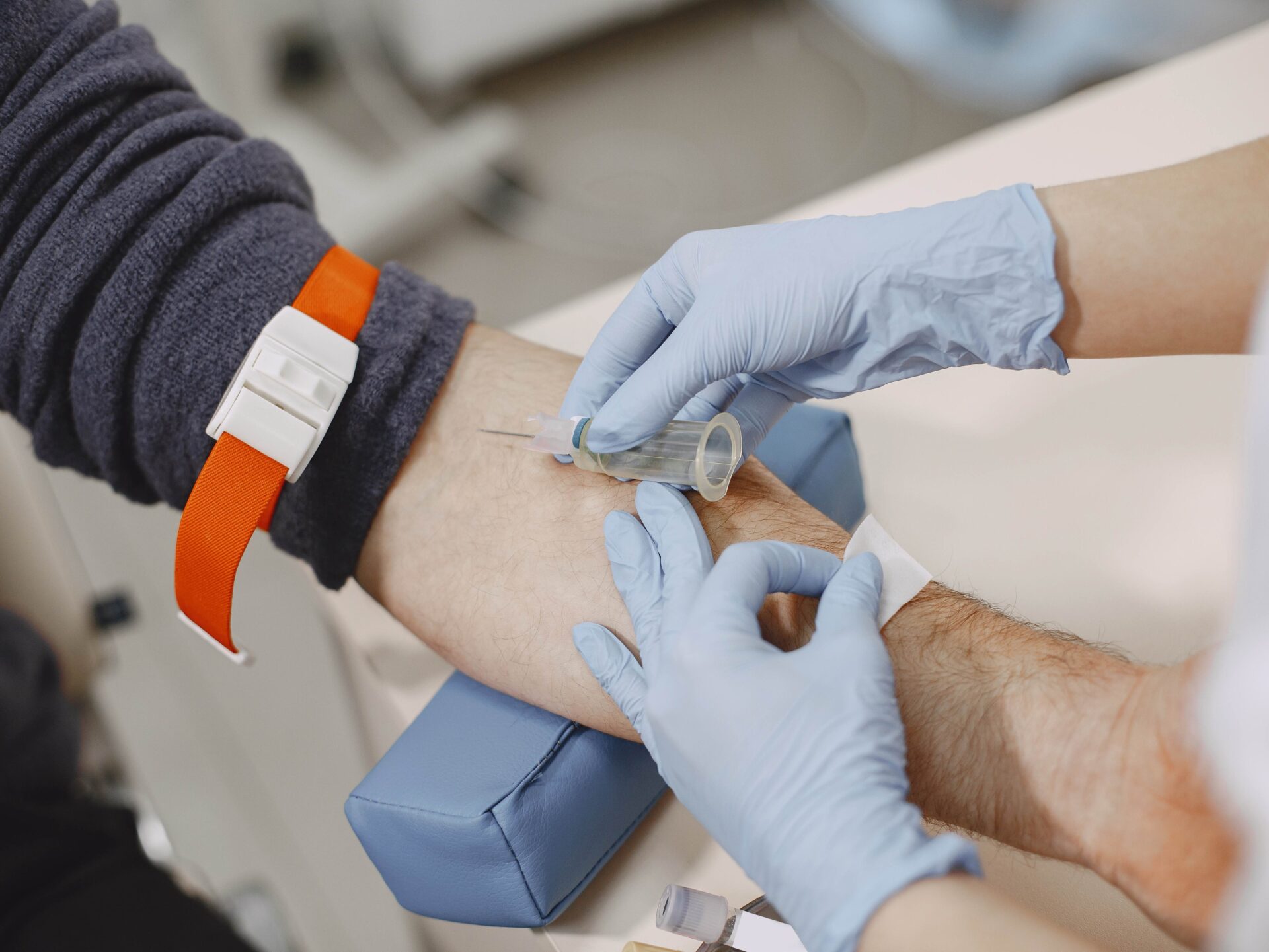
Laboratory Testing
The laboratory investigations selected depend partly on how long you have been symptomatic and the clinician’s assessment.
Testing may include dengue-specific investigations and, when appropriate, a complete blood count or other tests.
Results and Medical Interpretation
Receiving a laboratory result is only one part of the process.
The healthcare professional can explain what the findings mean in relation to your symptoms and illness timeline.
This is especially important when results are negative, borderline, or potentially influenced by testing timing.
Follow-Up When Needed
Some patients may require follow-up assessment or repeat laboratory monitoring.
The appropriate schedule depends on clinical condition rather than a universal timetable for every patient.
Why Platelet Count Matters in Dengue Assessment
Platelets are often discussed when people talk about dengue.
This sometimes creates the misconception that dengue is simply a disease of “low platelets.”
The reality is more complex.
Platelet counts can decrease during dengue illness, and monitoring their trend may provide useful clinical information. However, platelet count alone does not establish the diagnosis or determine the entire severity of the illness.
Healthcare professionals may also consider:
- Hematocrit
- White blood cell count
- Blood pressure
- Hydration
- Urine output
- Bleeding
- Abdominal symptoms
- General clinical condition
- Warning signs
A single platelet result should therefore not be interpreted in isolation.
When undergoing a dengue test Bali, ask the healthcare professional to explain your laboratory results rather than focusing exclusively on whether your platelet count is inside or outside the reference range.
What to Do While Waiting for Dengue Test Results
Waiting for laboratory results can be uncomfortable when you are already feeling unwell.
Follow the medical advice provided during your consultation.
Rest is important, and maintaining appropriate fluid intake may help prevent dehydration if you are able to drink normally.
Monitor your symptoms carefully.
Medication choices also deserve attention when dengue is suspected. Aspirin and non-steroidal anti-inflammatory drugs such as ibuprofen are generally avoided because of bleeding concerns associated with dengue. Fever and pain management should follow appropriate medical advice.
Do not begin medications simply because another traveler used them for similar symptoms.
Most importantly, do not wait for a dengue test Bali result if your condition is rapidly worsening or warning signs appear.
Seek prompt medical evaluation.
Dengue Warning Signs That Need Urgent Medical Attention
Although many people with dengue recover, severe dengue can be dangerous.
Warning signs may develop as the illness progresses and require prompt medical assessment.
Seek urgent medical attention for symptoms such as:
- Severe or persistent abdominal pain
- Persistent vomiting
- Vomiting blood
- Blood in the stool or black stool
- Significant bleeding
- Difficulty breathing
- Fainting or collapse
- Marked weakness
- Unusual drowsiness
- Restlessness
- Inability to maintain adequate fluid intake
- Reduced responsiveness
- Rapid deterioration in overall condition
One particularly important point is that a decreasing fever does not necessarily mean the risk has passed.
In dengue, the period when fever begins to settle can coincide with a critical phase in some patients. This is why monitoring the overall clinical condition is more important than focusing only on body temperature.
If warning signs develop, do not simply arrange another routine dengue test Bali and wait.
Urgent facility-based medical evaluation may be necessary.
Dengue Test Bali vs Self-Diagnosing From Symptoms
Online symptom searches can provide general health information, but they cannot replace an individual medical assessment.
Several common assumptions can be misleading:
Mosquito bite + fever does not automatically mean dengue.
Low platelets do not automatically mean dengue.
Rash + fever does not automatically mean dengue.
Nausea + fever does not automatically mean Bali Belly.
Similarly, a negative test performed at a particular stage of illness does not always answer every clinical question.
A professional dengue test Bali is most useful when the laboratory result is interpreted alongside your symptoms, examination, illness timeline, and other relevant findings.
The goal is not simply to attach a disease label to your symptoms. It is to understand your current condition and determine the safest next step.
Dengue or Bali Belly? Why Symptoms Can Be Confusing
Travelers frequently associate nausea, vomiting, diarrhea, and abdominal discomfort with Bali Belly.
However, gastrointestinal symptoms can occur with many different illnesses.
Dengue can cause nausea and vomiting, particularly when accompanied by fever, headache, body aches, or other systemic symptoms.
Conversely, gastrointestinal infections may also cause fever and significant weakness.
This overlap means someone experiencing fever and vomiting should avoid automatically assuming they have either dengue or Bali Belly.
A healthcare professional can assess the complete symptom pattern and determine whether a dengue test Bali, other laboratory testing, or another approach is appropriate.
Persistent vomiting deserves particular attention because it can contribute to dehydration and may represent a warning sign in suspected dengue.
Dengue or a Common Viral Illness?
Many viral illnesses produce similar early symptoms.
Fever, fatigue, headache, body aches, and reduced appetite are not unique to dengue.
This can make the first days of illness particularly difficult to interpret without medical evaluation.
The appropriate approach is not necessarily to test for every possible disease immediately. Instead, healthcare professionals use symptoms, examination findings, exposure history, illness duration, and appropriate investigations, including a dengue test Bali when clinically indicated, to narrow the possibilities and determine the most appropriate next steps.
A dengue test Bali may therefore form one part of a broader evaluation of unexplained fever.
If the test does not support dengue but symptoms continue, further medical assessment may be necessary to investigate other possible causes.
Can a Doctor Visit Your Hotel or Villa for Dengue Symptoms?
When you have a fever, weakness, or body aches, traveling across Bali to seek medical care may feel difficult.
For clinically appropriate situations, an on-call doctor may be able to provide an initial medical assessment at your hotel or villa.
During an accommodation visit, the healthcare professional can evaluate symptoms and determine whether laboratory testing or additional medical care may be appropriate.
However, hotel or villa care has important limitations.
Patients with dengue warning signs, severe dehydration, circulatory problems, significant bleeding, difficulty breathing, altered consciousness, or other serious symptoms may require hospital-based evaluation and monitoring.
Convenience should never determine the level of care.
If your condition appears severe, seeking an appropriately equipped medical facility takes priority over arranging routine dengue test Bali services at your accommodation.
How to Choose a Dengue Test Bali Provider
When looking for dengue testing, consider the medical support surrounding the laboratory test rather than choosing solely based on convenience.
Professional Medical Assessment
Dengue testing is most useful when interpreted alongside your clinical condition.
A healthcare professional should be able to assess your symptoms and determine whether dengue testing is appropriate.
Appropriate Laboratory Testing
The type of dengue test Bali should take the stage of illness into account.
Testing strategy may differ between someone whose fever began yesterday and someone who has already been symptomatic for several days.
Clear Explanation of Results
Patients should understand what their laboratory findings mean and what they do not mean.
A negative or positive result may still require interpretation within the clinical context.
English-Speaking Medical Support
For tourists and international residents, clear communication can make medical care significantly easier to navigate.
Follow-Up When Clinically Necessary
Dengue assessment does not always end after one blood draw.
Depending on symptoms and laboratory findings, further clinical or laboratory monitoring may be recommended.
Ability to Refer Patients Requiring Higher-Level Care
A responsible provider should recognize when outpatient management is no longer appropriate.
Patients developing warning signs or severe illness should be directed toward appropriate hospital care.
Getting Medical Support When Fever Disrupts Your Bali Stay
Developing a fever during a holiday can be stressful, especially when you are unfamiliar with local healthcare services and unsure whether your symptoms require laboratory testing.
Rather than trying to determine the cause based on symptoms alone, a medical assessment can help clarify which investigations and next steps may be appropriate.
SanMed Medical provides medical consultation and laboratory support for tourists, expats, digital nomads, and residents experiencing fever or other symptoms that may require further investigation.
When clinically appropriate, a dengue test Bali may form part of the evaluation alongside medical assessment and other laboratory examinations.
The purpose is not simply to perform a blood test. Appropriate dengue evaluation considers when symptoms started, how the illness is progressing, what laboratory findings show, and whether continued monitoring or higher-level medical care is required.
Arrange a Dengue Test Bali
If you are experiencing fever, body aches, headache, nausea, unusual fatigue, rash, or other concerning symptoms while in Bali, you can contact the SanMed Medical team and explain when your symptoms started and how they have progressed.
Useful information to provide includes:
- When your fever began
- Your current symptoms
- Whether you are vomiting
- Whether you can drink normally
- Whether you have unusual bleeding
- Whether your condition is improving or worsening
- Your current location in Bali
This information can help the medical team understand your situation and guide you toward an appropriate assessment.
If clinically indicated, a dengue test Bali and other laboratory investigations may then be considered based on your symptoms and stage of illness.
Need Help With Dengue Symptoms in Bali?
If you are experiencing fever or other symptoms that may require dengue testing, you can contact the SanMed Medical team and explain when your symptoms started, how they have progressed, and where you are currently staying. The medical team can help guide you toward an appropriate consultation and determine whether a dengue test Bali or other laboratory investigation may be suitable.
Contact SanMed Medical via WhatsApp
For serious symptoms or dengue warning signs, urgent facility-based medical evaluation should take priority over routine testing.
Take Fever Seriously Without Assuming the Diagnosis
Fever while visiting Bali can understandably make travelers anxious, particularly after reading about dengue online.
However, there is an important balance between ignoring symptoms and immediately assuming the worst.
Not every fever in Bali is dengue.
At the same time, significant or worsening symptoms should not be dismissed simply as travel fatigue, dehydration, or a minor viral illness without appropriate consideration.
A sensible approach is:
Symptoms → professional medical assessment → appropriate testing → clinical interpretation → monitoring or follow-up when necessary.
A professional dengue test Bali can be an important part of this process when dengue is clinically suspected.
Pay attention to how your condition changes over time, follow medical advice, maintain appropriate hydration when possible, and seek urgent care if warning signs develop.
Dengue Test Bali – Professional Testing and Medical Guidance
Dengue can initially resemble several other illnesses. Fever, headache, body aches, nausea, fatigue, and rash are useful clinical clues, but they cannot confirm dengue on their own.
Laboratory testing can provide valuable information when selected and interpreted appropriately.
Depending on the stage of illness, dengue assessment may involve NS1 antigen testing, antibody testing, a complete blood count, or other investigations considered appropriate by the healthcare professional.
Timing matters, and platelet count should never be treated as the only indicator of dengue or disease severity.
For tourists, expats, digital nomads, and residents experiencing unexplained fever, a professional dengue test Bali can provide useful information as part of a broader medical evaluation.
Most importantly, continue paying attention to your overall condition even after testing. Persistent vomiting, severe abdominal pain, significant bleeding, difficulty breathing, fainting, marked weakness, unusual drowsiness, or rapid deterioration require prompt medical attention.
Seeking appropriate assessment early can help you understand what may be causing your symptoms and what medical care, monitoring, or follow-up may be necessary.