
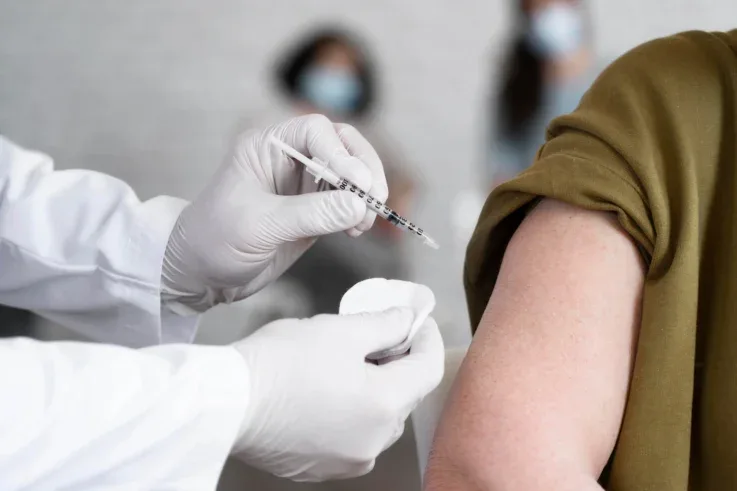
An unexpected animal bite or scratch can quickly turn a relaxing Bali holiday into a stressful experience. Dogs, monkeys, cats, and other mammals are commonly encountered across the island, and while most interactions are harmless, bites and scratches can happen unexpectedly.
When an animal bite or scratch breaks the skin, proper wound care and professional medical assessment should not be delayed. One of the most important considerations following certain potential exposures is whether rabies post-exposure prophylaxis (PEP) is required.
For international travelers, searching for a rabies shot Bali can feel confusing. You may be wondering whether the wound is serious enough to require vaccination, how quickly treatment should begin, whether a small scratch matters, how many vaccine doses you may need, or whether Rabies Immunoglobulin (RIG/HRIG) is also necessary.
The important thing to understand when seeking a rabies shot Bali is that rabies prevention after an animal exposure involves more than simply receiving an injection. Appropriate care may involve immediate and thorough wound washing, professional wound assessment, evaluation of the type of exposure, rabies vaccination when indicated, and rabies immunoglobulin for certain exposures in people who have not previously been vaccinated.
If you have been bitten or scratched by an animal, seeking professional medical advice promptly is important. A healthcare professional can assess what happened and determine the appropriate course of treatment based on the nature of the exposure and your previous vaccination history.
This guide explains what you should know when looking for a rabies shot Bali, including what to do immediately after an animal bite, how rabies vaccination works, the role of HRIG, and how to continue your vaccination schedule if you leave Bali.
What Is a Rabies Shot?
A rabies shot bali is a vaccine used to help protect against rabies, a viral disease that affects the central nervous system.
Rabies vaccination can be used in two main situations: before a potential exposure and after a potential exposure.
For someone searching for a rabies shot Bali after being bitten or scratched by an animal, the relevant approach is usually post-exposure management.
However, receiving a vaccine is only one component of appropriate care. The wound itself also requires attention, and healthcare professionals need to assess the circumstances of the exposure before determining the appropriate treatment.
Factors that may influence medical recommendations include:
- The animal involved
- Whether the skin was broken
- The type and location of the wound
- Whether saliva contacted broken skin or mucous membranes
- When the incident occurred
- Previous rabies vaccination history
- Other relevant clinical circumstances
For this reason, it is better to seek a professional assessment than to decide independently whether you need a rabies shot Bali.
Rabies Shot Before Exposure
Rabies vaccination can be administered before exposure to people whose activities, travel, occupation, or other circumstances may place them at increased risk.
This is known as pre-exposure prophylaxis (PrEP).
Pre-exposure vaccination can provide an important layer of protection, but it does not mean that a future animal exposure can simply be ignored.
Someone who has previously received an appropriate rabies vaccination series should still seek professional medical advice following a potential exposure. Their previous vaccination history can influence the recommended post-exposure management.
Rabies Shot After Exposure
Rabies vaccination given after a potential exposure forms part of post-exposure prophylaxis (PEP).
Depending on the circumstances, PEP may involve:
- Immediate wound washing
- Professional wound care
- Rabies vaccination
- Rabies immunoglobulin when indicated
- Follow-up vaccine doses according to the recommended schedule
The exact management depends on the nature of the exposure and previous vaccination history.
Therefore, when searching for a rabies shot Bali, look for professional medical assessment rather than treating vaccination as an isolated procedure.
When Might You Need a Rabies Shot Bali?
Animal exposures vary considerably. A superficial touch is different from a bite that penetrates the skin, and previous rabies vaccination may also affect treatment recommendations.
A healthcare professional should evaluate the specific incident.
Dog Bite
Dogs are commonly encountered throughout Bali, including pets and free-roaming community dogs.
Most interactions do not result in injury, but bites can occur when a dog feels frightened, threatened, startled, or territorial.
If a dog bite breaks the skin, wash the wound immediately and seek professional medical assessment.
Do not assume an animal is safe based only on its appearance or behavior. A medical professional can assess the exposure and determine whether a rabies shot Bali or other post-exposure care is indicated.
Monkey Bite
Monkey encounters are particularly relevant to international visitors because monkeys can be found around several tourist attractions and temple areas.
A monkey may bite when attempting to take food, grabbing personal belongings, or reacting to close human interaction.
If you experience a monkey bite, wash the wound thoroughly and seek medical assessment promptly.
Even if the wound appears small, professional evaluation is important to determine appropriate wound management and whether rabies PEP should be considered.
Monkey Scratch
Bites are not the only animal exposures that deserve attention.
A monkey scratch that damages the skin may also require professional assessment.
One common mistake is assuming that only deep bites matter. The type of contact, condition of the skin, and circumstances of the incident all contribute to the exposure assessment.
If a monkey has scratched you and broken the skin, clean the area immediately and consult a healthcare professional about whether a rabies shot Bali or additional care is appropriate.
Cat Bite or Scratch
Cat bites often create narrow puncture wounds that can look surprisingly small from the surface.
These injuries also carry concerns beyond rabies, including bacterial wound infection.
Cat scratches that break the skin should also be cleaned appropriately.
A healthcare professional can assess both wound-related risks and whether rabies post-exposure management is indicated.
Other Mammal Exposure
Other mammals may also be relevant depending on the circumstances.
Because the appropriate response depends on the animal, type of contact, location, and local epidemiological considerations, avoid attempting to classify your own exposure solely from online information.
Professional medical assessment provides recommendations based on your actual situation.
What Should You Do Immediately After an Animal Bite or Scratch?
The first few actions following an animal bite or scratch are important.
Do not focus exclusively on finding a rabies shot Bali while forgetting the wound itself. Immediate wound management is a fundamental component of rabies post-exposure care.
Wash the Wound Immediately
Wash and flush the affected area thoroughly with soap and running water as soon as possible. International health guidance recommends thorough washing for about 15 minutes after a possible rabies exposure.
Thorough wound washing helps remove saliva, dirt, and other contaminants from the injured area.
Even if some time has passed since the incident, tell the healthcare professional how and when the wound was cleaned.
Do Not Ignore Small Scratches
A small wound does not automatically mean that professional assessment is unnecessary.
Scratches may be easy to overlook, particularly after interacting with monkeys or cats. What matters is the nature of the exposure, including whether the skin was damaged.
If you are uncertain, seek medical advice rather than assuming the exposure is insignificant.
Avoid Relying on Home Remedies
Traditional remedies, unknown creams, or other substances should not replace appropriate wound washing and professional medical assessment.
Similarly, simply covering a wound without adequately cleaning it does not address the underlying concerns associated with an animal bite.
Seek Professional Medical Assessment Promptly
After appropriate first aid, seek professional medical care as soon as practical.
Healthcare professionals can evaluate the wound, determine the nature of the exposure, review your vaccination history, and decide whether rabies post-exposure prophylaxis is indicated.
This is the point where the need for a rabies shot Bali should be determined professionally.
Why Timing Matters for a Rabies Shot Bali
Timing matters significantly when managing a potential rabies exposure.
Rabies is preventable after exposure when appropriate post-exposure care is provided before disease develops. Once clinical symptoms of rabies appear, the disease is almost always fatal.
This is why medical assessment should occur promptly after a potential exposure rather than waiting to see whether symptoms develop.
If a healthcare professional determines that PEP is indicated, it should be started promptly according to the recommended medical protocol.
If several hours or even days have already passed, do not conclude that it is automatically too late to seek help. Contact a healthcare professional promptly and explain exactly when the exposure occurred.
Likewise, if you initially considered the injury insignificant but later became concerned, seek professional advice rather than continuing to delay care.
When searching for a rabies shot Bali, provide the medical team with accurate information about the incident so they can determine the appropriate next step.
Understanding Rabies Post-Exposure Prophylaxis (PEP)
Rabies post-exposure prophylaxis is the preventive medical care provided after a potential rabies exposure.
It is not simply another term for a rabies injection.
Depending on the patient’s circumstances, PEP can involve several components.
Immediate Wound Care
Thorough wound washing is a fundamental part of post-exposure management.
Professional wound assessment may also be required to evaluate:
- Depth
- Location
- Tissue damage
- Contamination
- Infection risk
- Need for dressing or additional management
Other considerations, such as tetanus status and bacterial infection risk, may also be assessed as appropriate.
Rabies Vaccination
When indicated, rabies vaccination helps the immune system develop an active immune response against the rabies virus.
The vaccination schedule depends on factors including whether the patient has previously received an appropriate rabies vaccination series.
This is why patients seeking a rabies shot Bali should tell the medical team about previous rabies vaccines whenever possible.
Rabies Immunoglobulin When Indicated
Some previously unvaccinated patients with qualifying exposures may also require Rabies Immunoglobulin (RIG) in addition to vaccination.
Human Rabies Immunoglobulin is commonly abbreviated as HRIG.
RIG provides immediate passive antibodies while the patient’s immune response to vaccination develops.
However, HRIG is not automatically required for every bite or scratch. Its use depends on factors such as the type of exposure and previous rabies vaccination status.
Rabies Shot Bali vs Rabies Immunoglobulin: What Is the Difference?
Confusion between rabies vaccine and rabies immunoglobulin is very common, particularly among international travelers.
Although both may be involved in rabies post-exposure care, they have different functions.
Rabies Vaccine
The rabies vaccine stimulates the body to develop its own immune response against rabies.
Depending on the patient’s vaccination history and circumstances, multiple doses may be required according to the recommended schedule.
Rabies Immunoglobulin (RIG/HRIG)
Rabies immunoglobulin provides ready-made antibodies for immediate passive protection.
When indicated for someone who has not previously received appropriate rabies vaccination, RIG is generally administered as part of post-exposure management, with as much as anatomically feasible infiltrated into and around the wound according to medical protocols.
This makes professional wound assessment particularly important.
Do You Always Need Both?
No.
Not everyone who receives a rabies shot Bali requires HRIG.
Whether rabies vaccine alone or vaccination plus RIG is appropriate depends on factors including:
- Nature of the exposure
- Previous rabies vaccination
- Wound characteristics
- Clinical assessment
Patients should therefore avoid requesting or rejecting HRIG solely based on online information.
Do You Need a Rabies Shot Bali After a Monkey Bite?
Monkey bites are understandably concerning for tourists visiting Bali.
If a monkey bites you and breaks the skin, begin by washing the wound thoroughly with soap and running water.
Then seek professional medical assessment promptly.
Do not attempt to determine the need for a rabies shot Bali based only on whether the monkey appeared healthy or behaved normally.
The healthcare professional can evaluate the circumstances, classify the exposure according to appropriate guidance, review your previous vaccination status, and recommend the necessary post-exposure management.
The same principle applies to monkey scratches that damage the skin.
Even if the injury appears minor, appropriate assessment is preferable to making assumptions about rabies risk.
Do You Need a Rabies Shot Bali After a Dog Bite?
A dog bite that breaks the skin also requires appropriate wound management and medical assessment.
Immediately wash the wound thoroughly and seek medical guidance.
If the dog has an owner, information about the animal and its vaccination history may be useful to healthcare professionals. However, do not allow attempts to obtain this information to unnecessarily delay your own medical assessment.
A professional can determine whether rabies shot Bali treatment is appropriate based on the exposure and relevant medical guidance.
The wound should also be assessed independently for tissue damage and bacterial infection risk.
Rabies prevention and wound management are related but separate considerations, and both deserve attention.
What If You Have Already Had Rabies Vaccination?
Previous rabies vaccination is important information after a new animal exposure.
If you have previously completed an appropriate pre-exposure or post-exposure vaccination series, tell your healthcare provider.
If possible, bring documentation showing:
- Vaccine dates
- Vaccine name
- Previous vaccination schedule
- Relevant medical records
Do not assume that previous vaccination means you can ignore a new bite or scratch.
Previously vaccinated people may still require post-exposure vaccine doses, but management differs from that of someone who has never been appropriately vaccinated, and RIG is generally not indicated for previously vaccinated individuals under standard guidance.
A medical professional providing rabies shot Bali services can determine the appropriate schedule based on your documented history and current exposure.
How Many Rabies Shots Will You Need?
This is one of the most common questions travelers ask.
There is not one universal answer for every patient.
For previously unvaccinated, immunocompetent individuals receiving standard intramuscular PEP, widely used guidance commonly involves vaccine doses on days 0, 3, 7, and 14, while additional considerations may apply in certain circumstances, including immunocompromised patients. Previously vaccinated individuals generally follow a different, shorter post-exposure regimen.
In some settings, approved intradermal regimens may also be used according to national protocols and available vaccines.
Therefore, your healthcare provider should give you the exact schedule relevant to the vaccine regimen being used and your individual circumstances.
Once a rabies shot Bali schedule has been recommended, follow it carefully and keep a record of every dose.
Do not intentionally skip doses or stop the series simply because the wound appears healed.
The appearance of the wound does not determine whether the rabies vaccination schedule should continue.
Can You Continue Your Rabies Shot Schedule After Leaving Bali?
Yes, travelers may need to continue their recommended vaccination schedule after leaving Bali.
This is particularly relevant for people who experience an animal bite near the end of their holiday.
Before leaving, request or retain documentation containing relevant information such as:
- Dates of vaccination
- Vaccine product or type where available
- Route of administration
- Details of any RIG/HRIG received
- Medical documentation regarding the exposure
- Recommended next vaccination date
When you arrive at your next destination or return home, show this documentation to the healthcare provider responsible for continuing your treatment.
Do not discontinue a recommended rabies shot Bali schedule simply because you have left Indonesia.
Continuity of care is important.
Rabies Shot Bali for Tourists
International travelers face unique challenges after an animal exposure.
In addition to worrying about the wound itself, you may be unfamiliar with local healthcare services, unsure how to communicate what happened, concerned about where to get a rabies shot Bali, or uncertain about how to continue your vaccination schedule after your trip.
Professional rabies shot Bali services can help travelers understand the process more clearly.
A medical consultation can cover:
- What type of exposure occurred
- Appropriate wound care
- Whether rabies vaccination is indicated
- Whether RIG/HRIG should be considered
- Vaccination schedule
- Follow-up requirements
- Documentation for continued treatment
English-speaking medical support is particularly valuable because patients need to understand their vaccination schedule and follow-up instructions accurately.
If you have upcoming flights or travel plans, tell your healthcare provider. This allows you to discuss how subsequent doses may be coordinated if you will no longer be in Bali.
Rabies Shot Bali for Families and Children
Children are naturally curious about animals and may approach dogs, cats, or monkeys without recognizing potential risks.
They may also fail to immediately tell their parents about a minor scratch or bite.
Parents should pay attention following animal interactions, particularly when a child has been close enough to an animal for physical contact to occur.
If you discover a bite or scratch, wash the area immediately and seek professional medical assessment.
A healthcare professional can determine whether rabies shot Bali treatment or other post-exposure care is appropriate for the child.
Parents should also provide any available previous rabies vaccination records.
The goal is not to create unnecessary fear around animals, but to respond appropriately when a potential exposure occurs.
What Happens During a Rabies Shot Bali Appointment?
Knowing what to expect can make the experience significantly less stressful.
Exposure Assessment
The medical team will usually begin by asking what happened.
Relevant questions may include:
- What animal was involved?
- Was it a bite, scratch, or another form of contact?
- Was the skin broken?
- When did the exposure occur?
- Where on the body is the wound?
- Have you washed the wound?
- Have you previously received rabies vaccination?
These details help determine the appropriate management.
Wound Assessment and Care
The wound may then be examined for depth, contamination, tissue injury, infection risk, and other concerns.
Professional wound management may be provided when appropriate.
Rabies Vaccination Assessment
Based on the exposure and vaccination history, the healthcare professional can determine whether rabies vaccination is indicated.
If vaccination is required, the recommended schedule should be clearly explained.
HRIG/RIG Assessment
For certain qualifying exposures in people who have not previously received appropriate rabies vaccination, RIG may be indicated.
The healthcare professional can determine whether this applies to your situation.
Follow-Up Schedule
Before finishing the consultation, make sure you understand:
- Whether additional vaccine doses are required
- Dates of subsequent doses
- How to care for the wound
- Warning signs that require reassessment
- What documentation to keep
This makes the rabies shot Bali process easier to manage, particularly for travelers with changing itineraries.
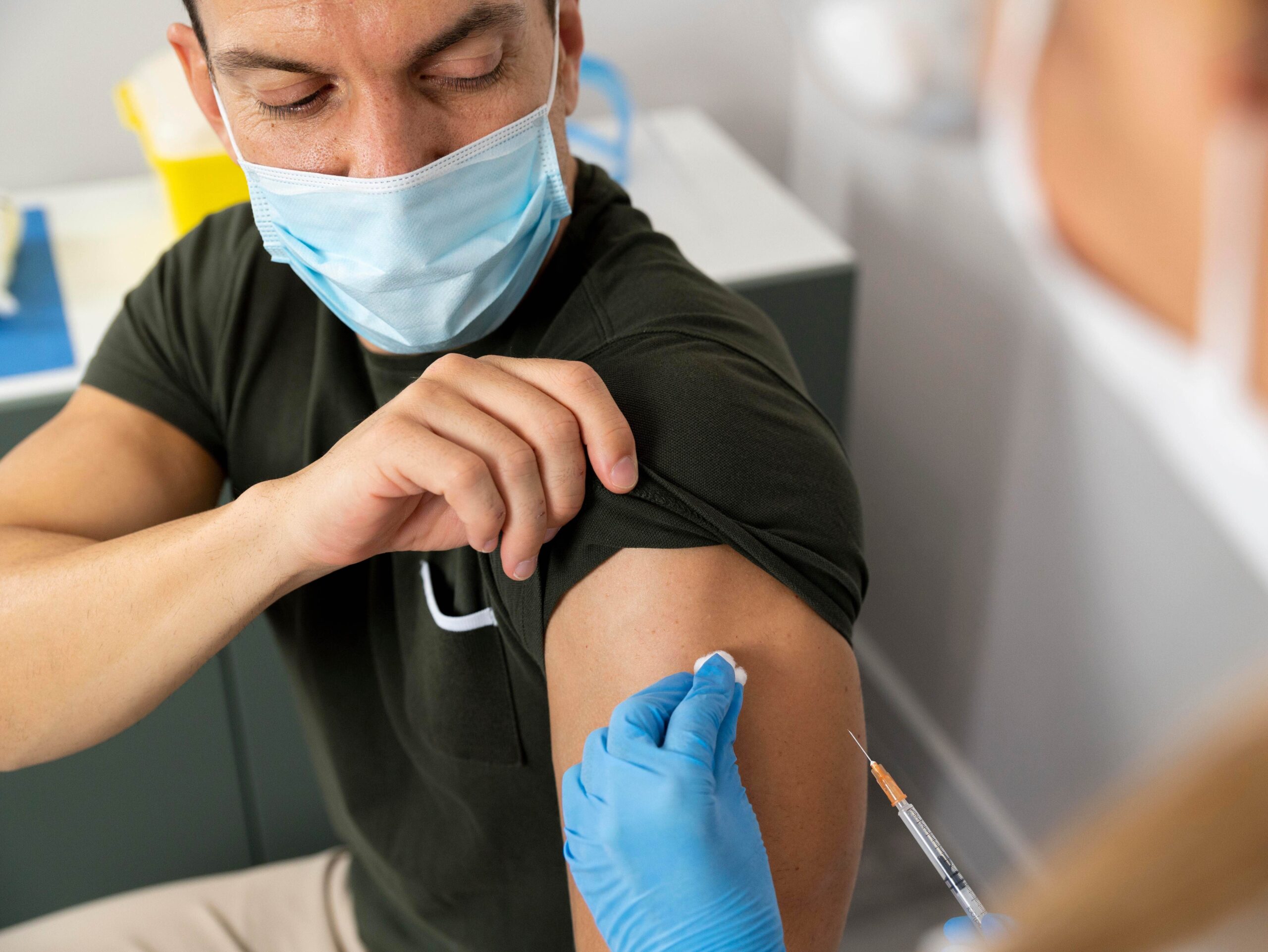
Rabies Shot Bali and Professional Wound Care
Rabies prevention should never cause the wound itself to be overlooked.
Animal bites and scratches can introduce bacteria into the tissue, and some injuries may involve deeper structures than initially apparent.
Professional wound care may include:
- Wound assessment
- Thorough cleaning
- Appropriate dressing
- Monitoring for infection
- Follow-up wound management
Signs such as increasing redness, swelling, warmth, worsening pain, discharge, or fever may require reassessment.
Appropriate medical care considers both rabies prevention and the overall condition of the injury.
Common Mistakes After a Potential Rabies Exposure
Understanding what not to do is equally important.
Waiting to See Whether the Animal Looks Sick
Do not rely solely on the animal’s appearance or behavior to decide whether medical assessment is necessary.
Assuming a Small Scratch Is Harmless
The size of an injury alone does not determine whether an exposure requires assessment.
Only Getting the Wound Bandaged
Covering the injury is not a substitute for thorough wound washing and professional evaluation.
Delaying Medical Assessment Until Symptoms Appear
This is particularly important.
Rabies post-exposure prevention is intended to act before symptoms develop. Do not wait for symptoms before seeking care after a credible potential exposure.
Forgetting to Mention Previous Rabies Vaccination
Previous vaccination can substantially change post-exposure management.
Tell your healthcare provider and provide documentation whenever possible.
Missing Recommended Follow-Up Doses
If a vaccination schedule is prescribed, follow the dates provided by your healthcare professional.
If travel or another unavoidable circumstance affects a scheduled dose, contact a healthcare provider for guidance rather than abandoning the series.
How to Choose a Rabies Shot Bali Provider
When looking for a rabies shot Bali, consider more than whether a facility simply has vaccine available.
Appropriate post-exposure management requires professional assessment.
Professional Medical Assessment
The healthcare provider should evaluate the exposure rather than treating every bite identically.
Access to Rabies Vaccination
When vaccination is indicated, appropriate rabies vaccine access is an essential component of care.
Access to Rabies Immunoglobulin When Required
For qualifying exposures, the healthcare team should be able to assess whether RIG/HRIG is indicated and advise on access to appropriate treatment.
Professional Wound Care
A bite or scratch should be evaluated as an injury as well as a potential rabies exposure.
English-Speaking Medical Support
For international travelers, clear communication helps ensure that vaccination schedules and follow-up instructions are understood correctly.
Clear Follow-Up Documentation
Travelers may need to continue their treatment elsewhere, making accurate medical documentation particularly valuable.
Professional Support After an Animal Bite in Bali
An animal bite or scratch can be stressful, particularly when it happens while you are traveling. Having access to a medical team that can assess the wound, evaluate potential rabies exposure, and explain the appropriate next steps can make the situation easier to manage.
SanMed Medical provides professional medical support for tourists, expats, and residents who experience animal bites or scratches in Bali. Depending on the clinical assessment, care may include professional wound management, rabies vaccination, evaluation for rabies immunoglobulin, and appropriate follow-up guidance.
Rather than focusing only on receiving an injection, professional post-exposure care considers the entire situation—from the wound and type of animal contact to previous vaccination history and the need for subsequent treatment.
This comprehensive approach is particularly helpful for travelers who need clear guidance about their rabies shot Bali schedule before continuing their journey.
Arrange a Rabies Shot Bali After a Bite or Scratch
If you have recently been bitten or scratched by an animal, begin by thoroughly washing the affected area and seek professional medical assessment promptly.
When contacting the medical team, providing a few details can make the initial assessment easier.
Be prepared to explain:
- When the incident occurred
- What animal was involved
- Whether it was a bite or scratch
- Whether the skin was broken
- Where the wound is located
- Whether you have already cleaned the wound
- Whether you have previously received rabies vaccination
You do not need to determine for yourself whether you need a rabies shot Bali, HRIG, or another treatment before contacting a healthcare provider.
The medical team can assess the exposure and explain the appropriate next steps.
Protect Your Health After an Animal Encounter in Bali
Being bitten or scratched by an animal can be frightening, but responding appropriately is more useful than panicking.
Remember the essential steps:
- Wash the wound thoroughly with soap and running water as soon as possible.
- Seek professional medical assessment promptly.
- Provide accurate information about the animal exposure.
- Tell the doctor about previous rabies vaccination.
- Follow the recommended vaccination schedule if PEP is indicated.
- Keep documentation of vaccines and other treatment.
- Continue follow-up care even if your travel plans change.
A prompt, structured response helps ensure that important components of post-exposure care are not overlooked.
Rabies Shot Bali – Prompt Medical Care After Potential Exposure
A rabies shot Bali can be an essential component of post-exposure prophylaxis following certain animal bites, scratches, or other qualifying exposures. However, appropriate rabies prevention involves much more than receiving a single injection.
Professional management begins with immediate and thorough wound washing, followed by exposure assessment and appropriate wound care. When indicated, rabies vaccination is started according to the recommended schedule, while certain previously unvaccinated patients may also require RIG/HRIG.
The exact treatment depends on the type of exposure, previous vaccination history, and individual clinical circumstances.
Most importantly, do not wait for symptoms to appear before seeking medical advice after a credible potential rabies exposure. Rabies prevention depends on appropriate post-exposure care before the disease develops.
If you have experienced a dog bite, monkey bite, cat bite, scratch, or another concerning animal exposure while in Bali, wash the wound immediately and contact a qualified healthcare professional for prompt assessment. Consultation Now