

Bali is a place where days are spent on scooters, beaches, coral reefs, and uneven stone pathways — which also means it’s a place where small injuries happen more often than travelers expect. A scraped knee from a scooter tumble, a cut from stepping on coral, or a blister that’s turned into an open sore: these are some of the most common reasons wound dressing in Bali becomes a sudden, unplanned priority during a trip.
This guide walks through what proper wound dressing actually involves, why wound dressing in Bali matters more in a tropical climate than back home, and how to tell the difference between a scrape you can handle yourself and one that genuinely needs professional wound dressing.
Anyone who has spent time researching wound dressing Bali options online quickly notices there isn’t a lot of clear, practical information out there — mostly generic first-aid advice that doesn’t account for the specific conditions travelers face on the island. This guide is meant to fill that gap.
Why Wound Dressing Bali Matters in a Tropical Climate
Anyone who has traveled through Southeast Asia knows that wounds don’t heal quite the same way here as they do in a cooler, drier climate. Humidity, heat, and constant exposure to sand, seawater, and dust all create the perfect conditions for infection if a wound isn’t properly cleaned and dressed.
In Bali specifically, several factors make wound dressing more important than travelers often assume:
- High humidity slows down the natural drying and healing process of open wounds
- Frequent water exposure — from swimming, rain, or sweat — can loosen bandages and reintroduce bacteria
- Motorbike culture means road rash and abrasions are extremely common, often across large areas of skin
- Coral and marine life can cause cuts that carry a higher risk of infection than a typical scrape
- Limited access to sterile supplies in some areas means travelers may not have what they need on hand
None of this means every scrape turns into a medical emergency. But it does mean that “just put a bandage on it” often isn’t enough advice for the conditions here — proper wound dressing in Bali requires a bit more attention than it would elsewhere.
It’s also worth noting that the climate doesn’t just slow healing — it actively works against a poorly maintained wound. Sweat breaks down adhesive on standard bandages within a few hours in Bali’s heat, sand finds its way under even well-taped dressings on the beach, and rain during the wet season can soak through materials that would otherwise stay dry back home. This is precisely why so many travelers searching for wound dressing Bali advice online are often dealing with a wound that’s already been re-contaminated once or twice before they start looking for a better solution.
Common Injuries That Require Wound Dressing Bali Services
Scooter Road Rash
This is, by far, one of the most frequent reasons visitors need wound dressing Bali services. A slow-speed tip-over on gravel or wet pavement can still leave a wide area of skin scraped raw, often on the arms, legs, or hip. Road rash wounds are tricky because they’re shallow but cover a large surface area, which increases the risk of infection if not cleaned thoroughly.
Coral Cuts and Reef Scrapes
Snorkeling and diving are major draws in Bali, but stepping on or brushing against coral can cause deep, jagged cuts that call for careful wound dressing Bali practices. These wounds are notorious for healing slowly and getting infected if debris from the coral isn’t fully removed before dressing.
Blisters and Friction Wounds
Long days of walking in sandals, new shoes, or hiking to waterfalls often lead to blisters that break open — another common trigger for wound dressing Bali needs. Left uncovered in a hot, humid environment, these small wounds can become surprisingly painful and slow to heal.
Kitchen and Villa Accidents
Cooking classes, opening coconuts, or general villa life can result in minor cuts that need proper wound dressing Bali care — often overlooked until they start looking irritated a day or two later.
Post-Surgical or Pre-Existing Wounds
Some travelers arrive in Bali already managing a wound from a recent procedure back home and need ongoing wound dressing Bali changes during their trip, particularly if their original healthcare provider gave them limited supplies.
What Proper Wound Dressing Bali Care Actually Involves
Effective wound dressing Bali care is more than just covering a cut with a bandage. A proper approach typically includes:
- Cleaning the wound — removing dirt, sand, or debris with a saline solution or clean water, followed by a mild antiseptic
- Assessing the depth and size — determining whether the wound needs stitches, steri-strips, or a straightforward dressing
- Applying an appropriate dressing — this could mean a simple adhesive bandage for something minor, or a non-stick sterile gauze secured with tape for something larger
- Protecting against moisture and contamination — especially important in Bali’s climate, where sweat, sand, and humidity can quickly compromise a dressing
- Scheduling dressing changes — larger wounds often need the dressing changed every 1–2 days, with the wound reassessed each time for signs of infection
Skipping any of these steps — especially the cleaning stage — is one of the most common reasons a simple scrape turns into something that requires antibiotics later in the trip.
Signs You Need Professional Wound Dressing Bali Care
Not every cut needs a clinic visit, but there are clear signs that basic first aid isn’t enough and professional wound dressing Bali services should be sought:
- Increasing redness, swelling, or warmth around the wound
- Pus or unusual discharge, especially with a foul odor
- A wound that hasn’t started to improve after 2–3 days
- Fever or feeling generally unwell alongside the wound
- Deep cuts where the edges don’t come together on their own
- Wounds from coral or marine sources, given the higher infection risk
- Numbness or loss of function near the injury site
If any of these apply, it’s worth having the wound assessed properly rather than relying on over-the-counter supplies from a local pharmacy.
DIY First Aid vs. Professional Wound Dressing Bali Care
For very minor scrapes, basic first aid is usually enough: clean water, mild soap, an antiseptic, and a standard adhesive bandage, changed daily. Most small blisters and light scrapes fall into this category and heal without complication.
However, professional wound dressing becomes the safer option when:
- The wound is larger than a few centimeters or unusually deep
- There’s a risk of debris still being embedded (common with road rash and coral cuts)
- The traveler doesn’t have reliable access to sterile supplies for repeat dressing changes
- There’s uncertainty about whether stitches or steri-strips are needed
- The wound is in a location that’s hard to dress properly alone, like the back or a joint
Clinics that handle wound dressing regularly are also equipped to spot early signs of infection that might not be obvious to someone without medical training — catching a problem early is almost always easier to treat than waiting until it’s advanced.
What Happens During a Professional Wound Dressing Bali Visit
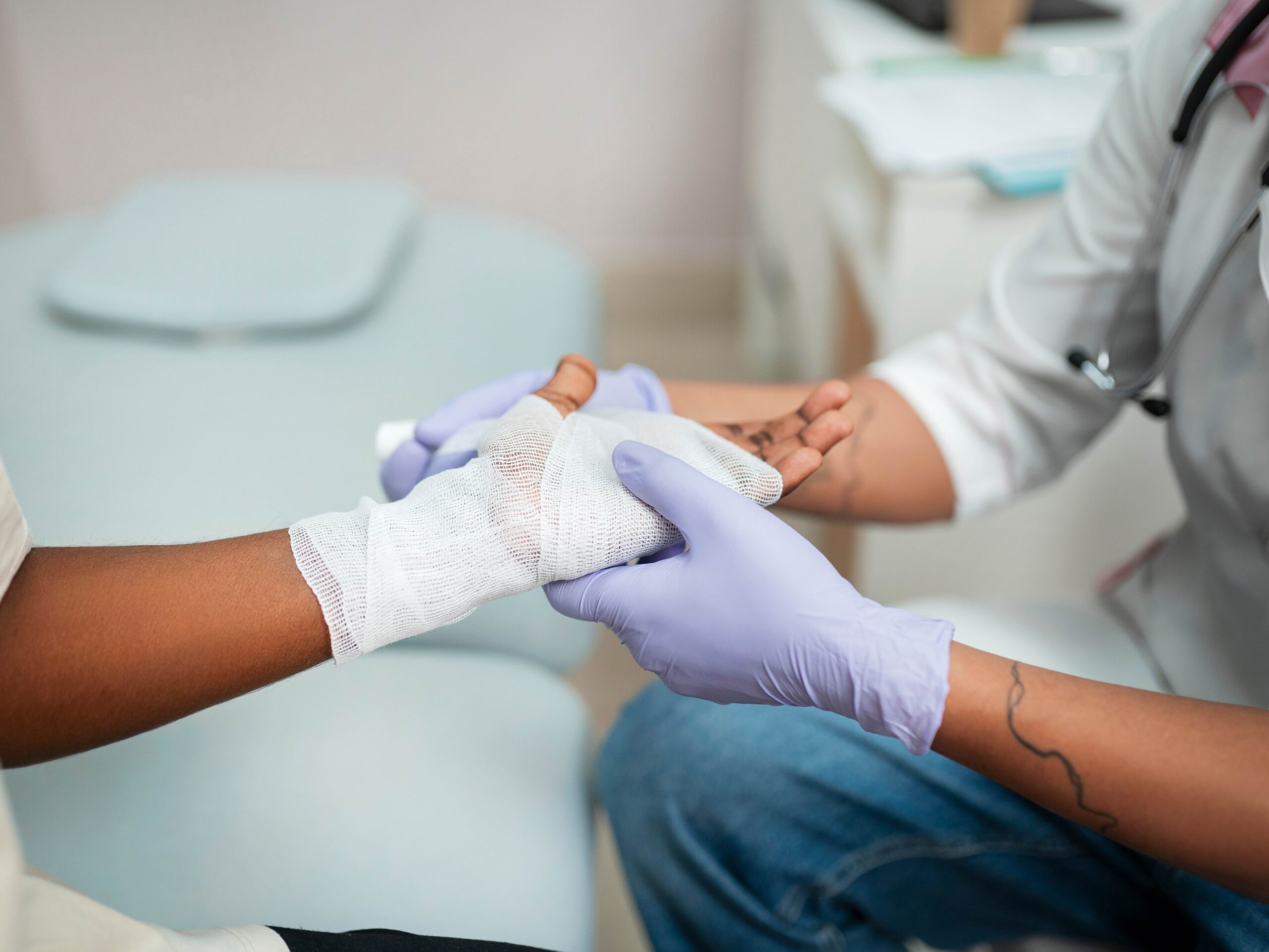
For travelers who decide a clinic visit makes sense, the process is generally straightforward. A doctor or nurse will first clean the wound thoroughly, removing any embedded dirt or debris, then assess whether stitches, steri-strips, or a simple dressing are appropriate. From there, the wound is dressed using sterile materials suited to its size and location, and clear aftercare instructions are given, including how often the dressing should be changed and what warning signs to watch for.
Clinics in tourist areas of Bali, including those in Canggu, are used to treating exactly these kinds of traveler injuries — from scooter road rash to coral cuts — and typically offer wound dressing Bali services as a walk-in option rather than something requiring a long appointment process. Sanmed Medical, for example, provides wound care and dressing services designed around the realities of travel, without requiring extensive paperwork or long waiting times. More information about the range of services available can be found at Sanmed Medical.
Aftercare Tips for Wound Dressing Bali Once the Wound Is Dressed
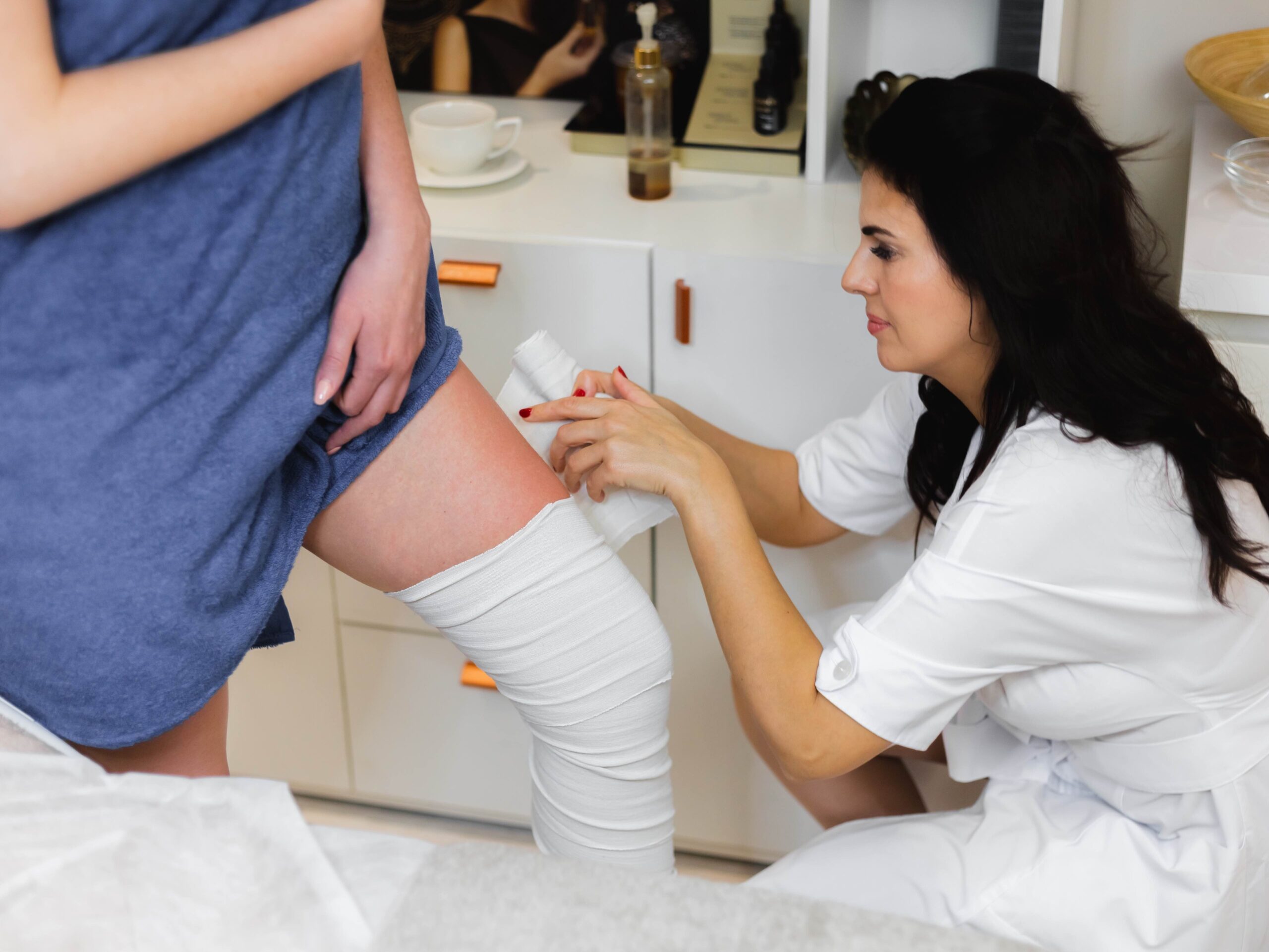
Getting a wound properly dressed is only part of the wound dressing Bali process — what happens afterward matters just as much:
- Keep the dressing dry where possible, especially before swimming or showering; waterproof covers can help
- Change the dressing as instructed, even if it looks fine, since bacteria can build up unnoticed under a bandage in humid conditions
- Avoid picking at scabs or edges, which can reintroduce bacteria and slow healing
- Watch for the warning signs mentioned earlier, particularly over the first 3–5 days
- Keep the wound out of direct sun where possible, since fresh skin is more prone to scarring or discoloration with sun exposure
- Stay hydrated and eat well, since overall health has a real impact on how quickly wounds heal
Following these steps consistently is often what separates a wound that heals cleanly from one that turns into a bigger issue halfway through a trip.
Packing a Basic Wound Dressing Bali Kit
Given how common minor injuries are here, it’s worth packing a small kit before arriving rather than scrambling to find supplies mid-trip. A practical kit for handling wound dressing in Bali doesn’t need to be complicated:
- Saline solution or clean bottled water for initial wound irrigation
- Antiseptic wipes or solution (povidone-iodine or chlorhexidine work well in humid climates)
- Non-stick sterile gauze pads in a couple of different sizes
- Micropore or waterproof medical tape — standard adhesive bandages often don’t hold up well against sweat and humidity
- A small pair of tweezers, useful for removing sand or small debris from scrapes
- Antibiotic ointment, for minor wounds where infection risk is low
- A few waterproof bandage covers, especially useful for beach days
None of this replaces professional wound dressing Bali care when a wound genuinely needs it, but having the basics on hand means smaller scrapes can be managed properly from the very first hour, rather than left exposed while searching for a pharmacy.
Common Myths About Wound Dressing Bali
A few pieces of “common sense” advice about wound dressing Bali tend to circulate among travelers, and it’s worth addressing them directly:
“Let it air out to heal faster.” This is one of the most persistent myths in wound care generally, and it’s especially misleading in Bali’s climate. Wounds actually heal faster when kept covered and moist under a proper dressing, protected from dirt, sand, and bacteria. Leaving a wound uncovered in a humid, dusty environment increases the risk of contamination rather than speeding up healing.
“A little salt water from the ocean will disinfect it.” Seawater is not sterile, and swimming with an open wound — especially a fresh coral cut — significantly raises the risk of infection rather than cleaning it. Wound dressing in Bali should always start with clean water or saline, not ocean water.
“If it’s not bleeding anymore, it’s fine.” Bleeding stopping is a reasonable first sign, but it says nothing about whether bacteria or debris are still present underneath. Some of the worst infections travelers deal with in Bali come from wounds that looked fine on the surface after a day or two.
“Alcohol is the best thing to clean a wound with.” Straight alcohol can actually damage healthy tissue around a wound and delay healing. Mild antiseptic solutions or clean saline are gentler and more effective choices for regular wound dressing Bali care.
What Influences the Cost of Wound Dressing Bali Services
Pricing for wound dressing Bali services varies depending on a few factors, and understanding them helps set realistic expectations before a clinic visit:
- Size and depth of the wound — a small scrape dressing costs far less than treatment for a large area of road rash
- Whether stitches or steri-strips are needed, which adds to the overall procedure
- Number of follow-up dressing changes required, since larger wounds often need several visits
- Materials used, as specialized dressings for wounds at higher infection risk (like coral cuts) may cost more than a standard gauze dressing
Most clinics that regularly treat traveler injuries are used to explaining wound dressing Bali costs clearly before starting treatment, which removes a lot of the uncertainty that can make a wound care visit feel stressful on top of everything else.

DIY Wound Dressing Bali at Home: A Step-by-Step Overview
For travelers who’ve assessed a wound and determined it’s minor enough to manage without a clinic visit, here’s a more detailed walkthrough of doing wound dressing properly at home or in a hotel room:
- Wash your hands thoroughly before touching the wound, to avoid introducing additional bacteria
- Rinse the wound gently with clean water or saline, removing any visible sand, dirt, or debris
- Pat the area dry with a clean cloth or gauze — avoid rubbing, which can irritate the wound further
- Apply a thin layer of antiseptic or antibiotic ointment, if available
- Cover with a non-stick sterile dressing, sized appropriately for the wound
- Secure with waterproof tape, checking that the edges are sealed against moisture
- Change the dressing daily, or sooner if it becomes wet, dirty, or starts to peel
Following each of these steps carefully is what separates effective self-managed wound dressing Bali care from the kind of shortcut approach that often leads to complications a few days later.
Frequently Asked Questions About Wound Dressing Bali
Can I just buy supplies from a pharmacy and dress the wound myself? For minor scrapes, yes — pharmacies in tourist areas typically carry basic antiseptic, gauze, and bandages. For anything deeper, larger, or from coral, professional wound dressing Bali care is safer.
How often should wound dressing Bali treatments be changed in this climate? Generally every 1–2 days, though this can vary depending on the wound and how much moisture or sweat it’s exposed to. A professional can give more specific guidance based on the actual injury.
Is wound dressing Bali service expensive at a clinic? Costs vary depending on the size and complexity of the wound, but many clinics are upfront about pricing before treatment begins, so there are no surprises.
What if the wound is from a motorbike accident and covers a large area? Larger road rash wounds are exactly the kind of injury where professional wound dressing Bali care is recommended, since thorough cleaning across a wide area is harder to do properly without medical tools and training.
Do I need stitches, or is dressing enough? This depends on the depth and how well the edges of the wound come together. A professional assessment is the safest way to know for sure rather than guessing.
Is wound dressing Bali service different from what I’d get at home? The core approach is similar, but clinics here are simply more accustomed to the specific wounds travelers get — coral cuts, road rash, blister infections — and to treating them in a hot, humid climate where standard dressings don’t always hold up.
Where can I get professional wound dressing Bali services if I’m staying in Canggu? Several clinics in the area offer walk-in wound care. Sanmed Medical Canggu is one option that handles general practitioner services including wound dressing for travelers.
Final Thoughts
A small cut or scrape shouldn’t derail a trip to Bali, but it also shouldn’t be ignored just because it seems minor at first. Understanding what proper wound dressing involves — and recognizing the signs that call for professional care — makes it much easier to enjoy the rest of a trip without a small injury turning into a bigger problem.
For travelers in the Canggu area who’d rather have a wound properly assessed and dressed than guess at home, reaching out is simple. You can message Sanmed Medical Canggu on WhatsApp to ask about wound dressing or general practitioner care during your stay.